
Ofgem has announced that the energy price cap will rise by 4% from 1 October 2026, meaning another change to energy prices as we head into the colder months.
For a typical household paying by Direct Debit for both gas and electricity, Ofgem’s headline annual figure will increase from £1,663 to £1,723 – an increase of around £60 a year if prices remained at this level for 12 months.
But behind the headline increase, there are some important changes to how gas and electricity prices are being affected.
Here’s what the latest announcement means.
What is the energy price cap?
The energy price cap is set by Ofgem and limits the amount energy suppliers can charge customers on standard variable tariffs for each unit of gas and electricity, as well as the daily standing charge.
It is reviewed every three months to reflect changes in the costs of supplying energy. The cap applies to standard variable and default tariffs.
If you are among the 35% of households on a fixed tariff, your energy bill will not be affected by the changes to the price cap.
What's changing from October?
From 1 October to 31 December 2026, Ofgem’s average Direct Debit rates for England, Scotland and Wales will be:
| Energy charge | July–September 2026 | October–December 2026 |
|---|---|---|
| Electricity unit rate | 26.11p/kWh | 26.32p/kWh |
| Electricity standing charge | 57.19p/day | 54.83p/day |
| Gas unit rate | 7.33p/kWh | 7.97p/kWh |
| Gas standing charge | 29.04p/day | 29.68p/day |
| Energy charge | July–September 2026 | October–December 2026 |
|---|---|---|
| Electricity unit rate | 26.11p/kWh | 26.32p/kWh |
| Electricity standing charge | 57.19p/day | 54.83p/day |
| Gas unit rate | 7.33p/kWh | 7.97p/kWh |
| Gas standing charge | 29.04p/day | 29.68p/day |
Actual rates can vary depending on your region, payment method and tariff.
Why are prices increasing?
The main reason for the October increase is a rise in wholesale gas prices – the price energy suppliers pay to buy gas before it reaches our homes.
The UK is part of an international gas market, so prices here can be affected by events happening elsewhere in the world. Ofgem says ongoing conflict in the Middle East has contributed to greater uncertainty and volatility in global gas markets. Over the past three months, wholesale prices have risen by around 11%. When the cost of buying energy increases, this is reflected in the calculation Ofgem uses to set the price cap.
Although gas prices also influence the cost of electricity, the effect on electricity bills this October is being partly offset by the Government’s decision to remove VAT from domestic electricity bills between 1 October 2026 and 31 March 2027. Gas will continue to have 5% VAT.
This means the two fuels are being affected quite differently. Ofgem expects gas bills to rise by around 8%, while households that don’t use gas are expected to see a much smaller increase of less than 1%.
What about heat pumps?
With gas accounting for much of the latest increase, you may also be wondering about alternative ways to heat your home.
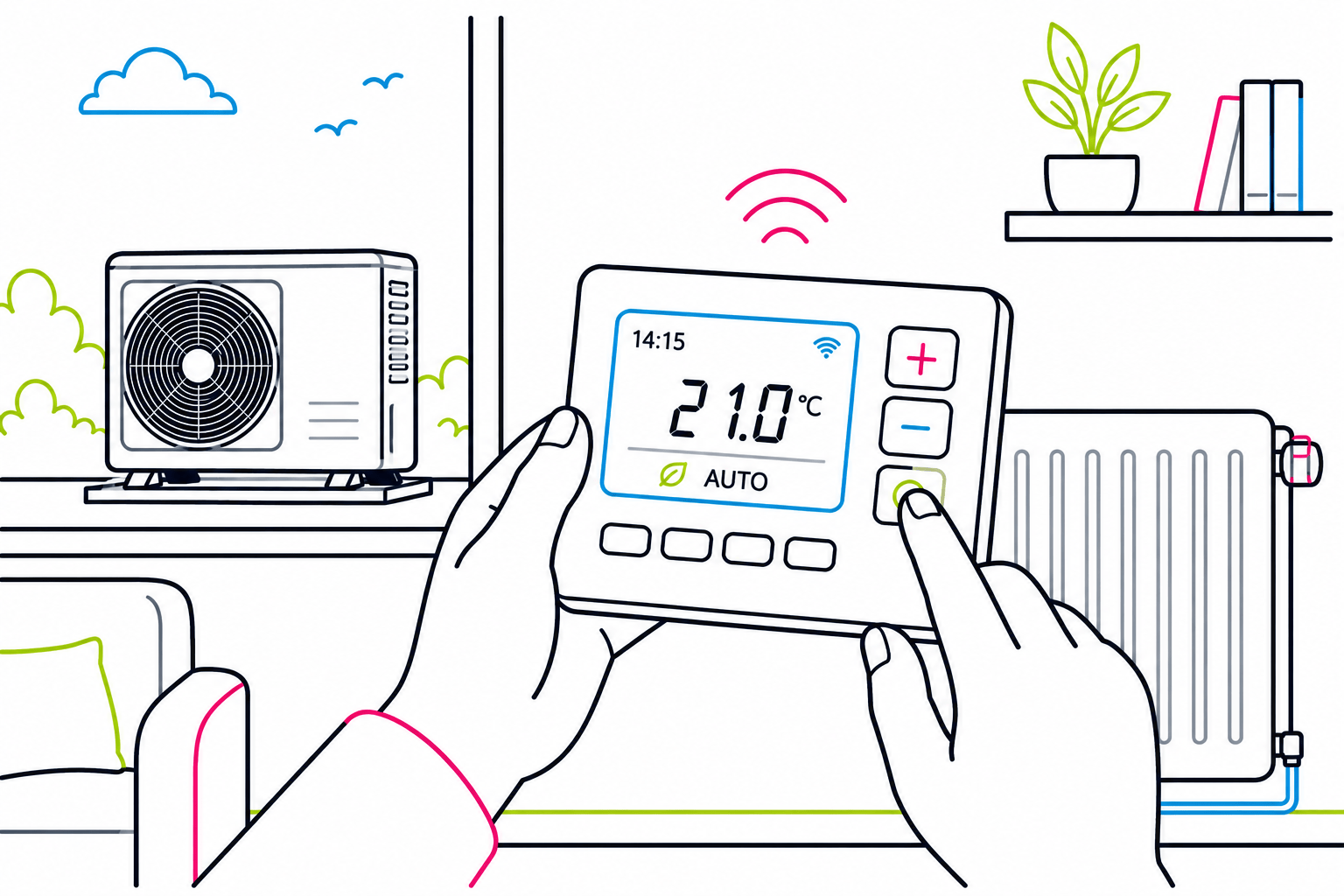
Heat pumps use electricity but work differently from conventional electric heating. Instead of generating all of their heat directly from electricity, they transfer heat from the surrounding environment into your home.
This allows a well-designed heat pump system to provide several units of heat for each unit of electricity it consumes.
For homeowners already considering replacing their existing heating system, it’s one of the options worth understanding.
Government support is also currently available through the Boiler Upgrade Scheme (BUS) for eligible heat pump installations in England and Wales.
Looking for ways to reduce your energy use?
For practical advice on reducing your energy use and managing energy costs, MoneySavingExpert has a useful guide covering energy-saving tips, help with energy bills and the support that may be available if you’re struggling with energy costs.
Useful Resources
Ofgem – Information about the energy price cap, energy bills, consumer rights and available support.
Citizens Advice – Independent help with energy bills, dealing with suppliers and financial support.
Energy Saving Trust – Independent information about home energy efficiency, insulation and low-carbon technologies.
GOV.UK – Information about government energy schemes and support, including the Boiler Upgrade Scheme.
Interested in renewables?
Thinking about solar panels, battery storage or a heat pump for your home? Get in touch with our team to explore your options and find out what could work for your property.
Want to know more?
Find out more about the renewable energy solutions we offer.

Air Source Heat Pumps

Solar Panels

Battery Storage

Electric Vehicle Chargers
Air Source Heat Pumps
Solar Panels
Battery Storage