Ground Source Heat Pumps

Clean Energy. Comfortable Living.

Grey renewable energy icon

What is a Ground Source Heat Pump?

A ground source heat pump (GSHP) is a low-carbon heating system that uses natural heat stored underground to warm your home and provide hot water. It’s highly efficient and environmentally friendly, making it a popular choice for sustainable heating.

How does a ground source heat pump work?

1

Heat collection

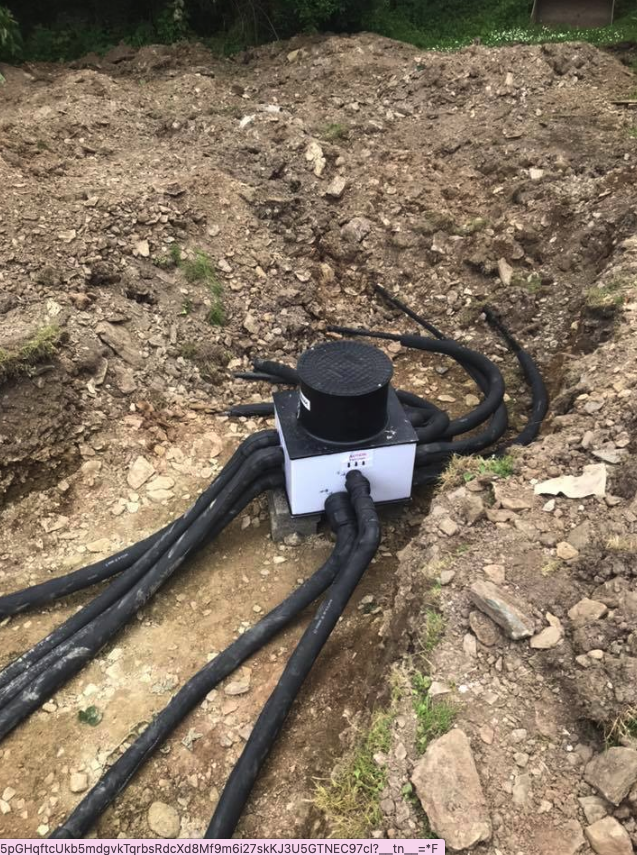
A loop of pipe is buried in your garden (either horizontally or in a borehole). It absorbs low-level heat from the ground.

2

Fluid circulation

A special liquid (usually a mix of water and antifreeze) is pumped through the pipe loop to absorb the ground’s heat.

3

Heat transfer

The warmed fluid passes through a heat exchanger inside the heat pump, transferring its heat to a refrigerant.

4

Compression

The refrigerant is compressed, raising its temperature significantly.

5

Heat distribution

The now-hot refrigerant transfers heat to your home’s heating system (radiators, underfloor heating, and hot water tank).

6

Cycle repeats

The cooled refrigerant returns to the start of the cycle, and the process repeats.

How does a ground source heat pump work?

1

Heat collection

A loop of pipe is buried in your garden (either horizontally or in a borehole). It absorbs low-level heat from the ground.

2

Fluid circulation

A special liquid (usually a mix of water and antifreeze) is pumped through the pipe loop to absorb the ground’s heat.

3

Heat transfer

The warmed fluid passes through a heat exchanger inside the heat pump, transferring its heat to a refrigerant.

4

Compression

The refrigerant is compressed, raising its temperature significantly.

5

Heat distribution

The now-hot refrigerant transfers heat to your home’s heating system (radiators, underfloor heating, and hot water tank).

6

Cycle repeats

The cooled refrigerant returns to the start of the cycle, and the process repeats.

Our Work With Ground Source Heat Pumps

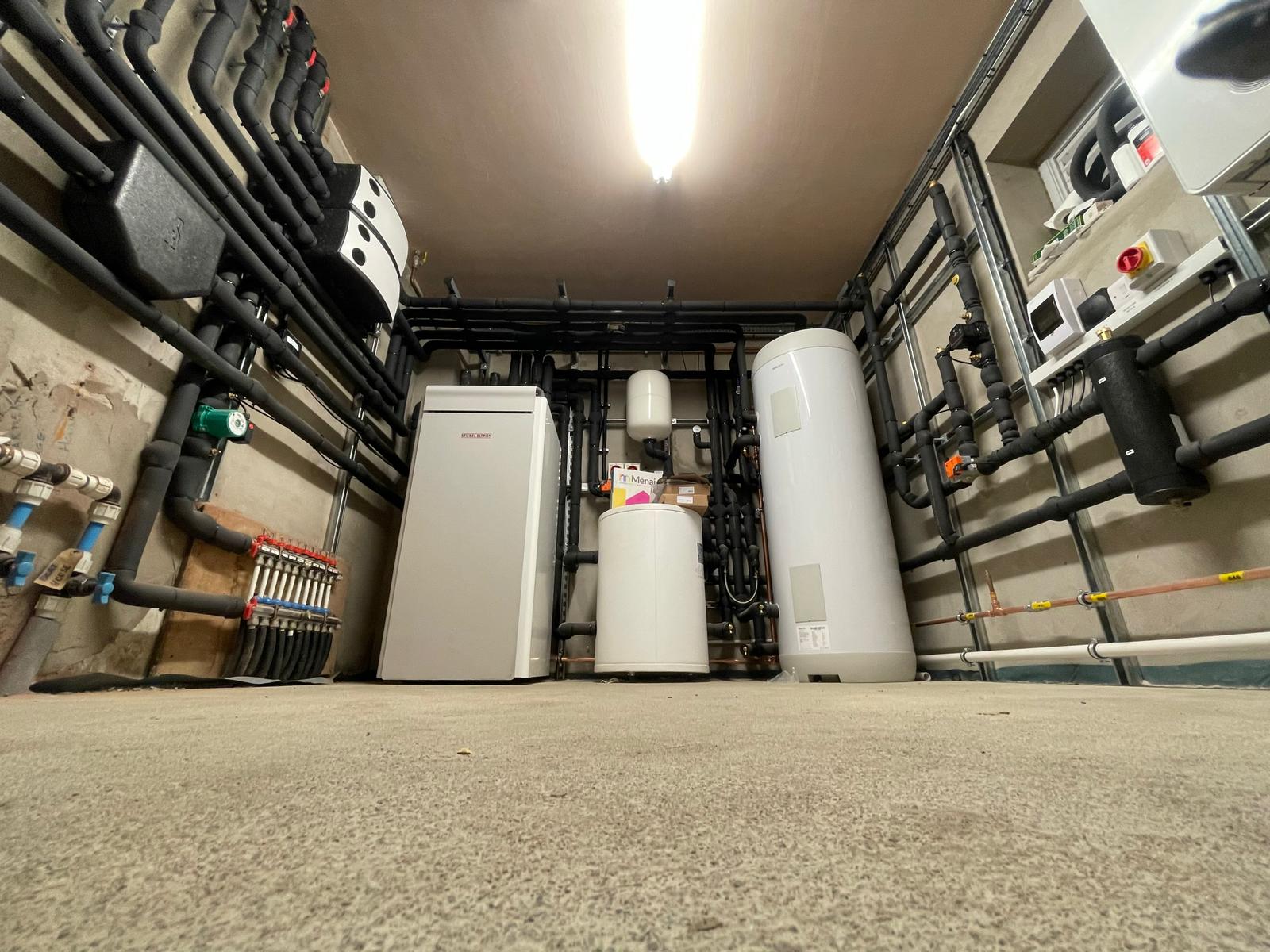
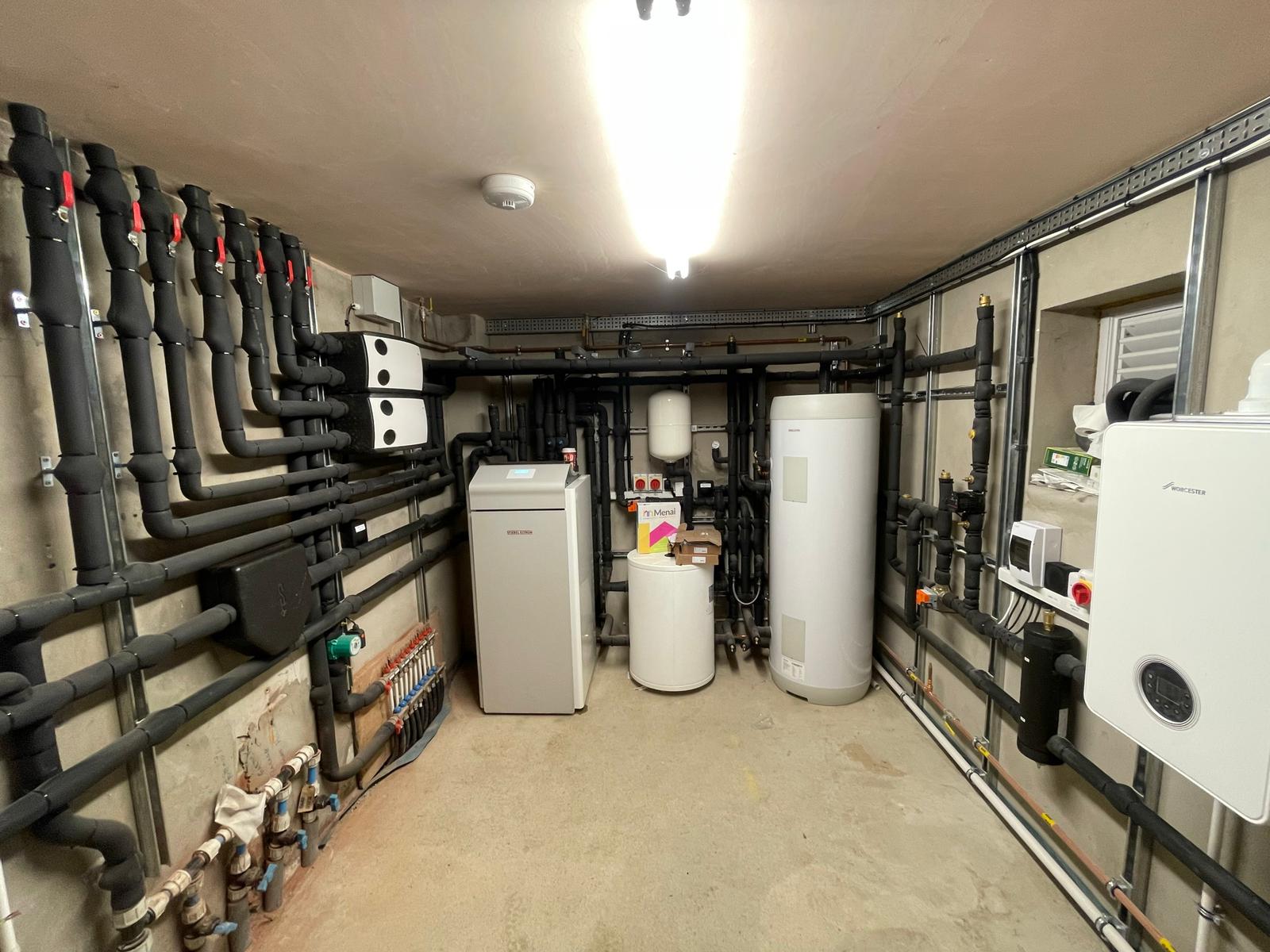
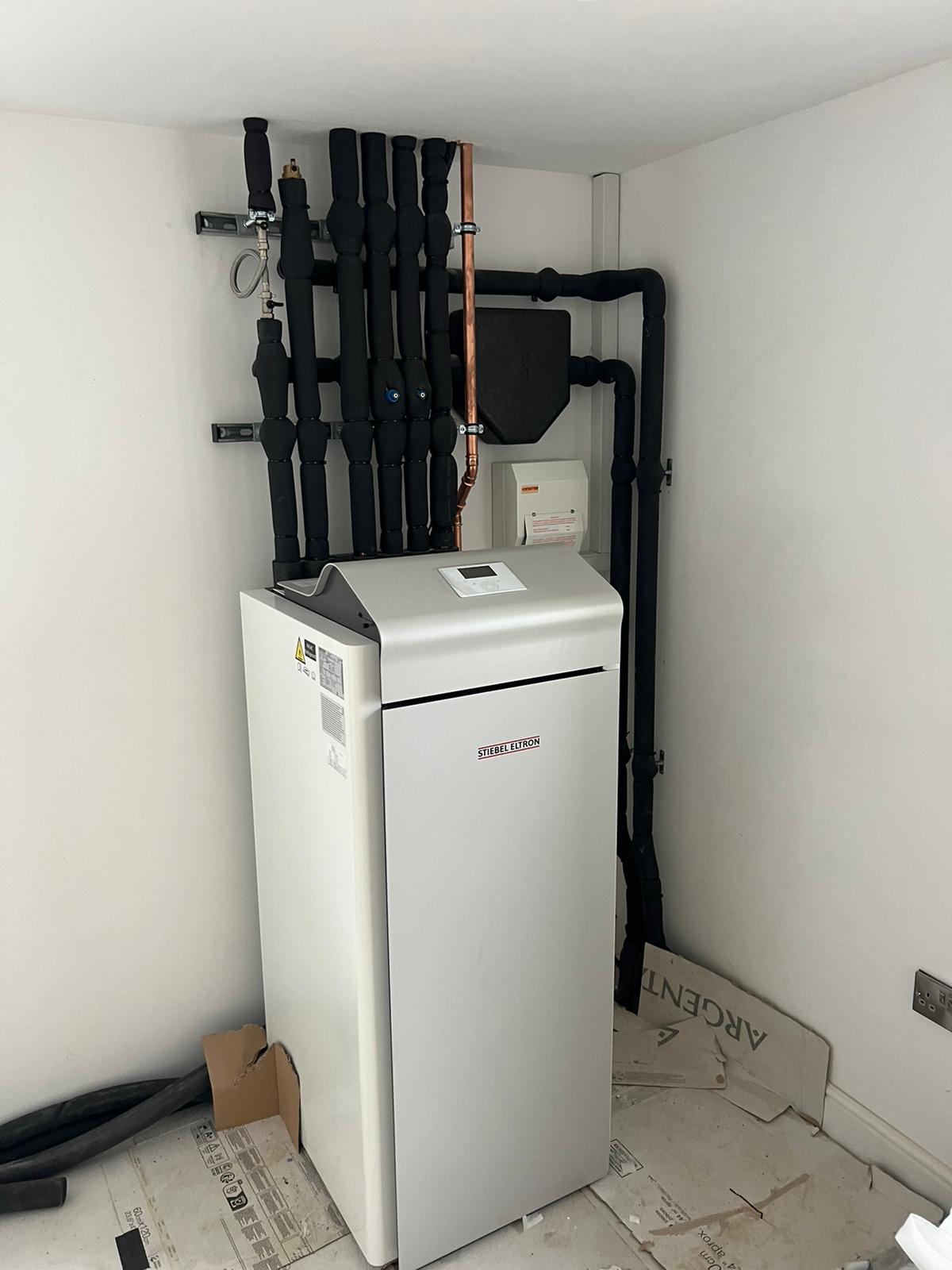
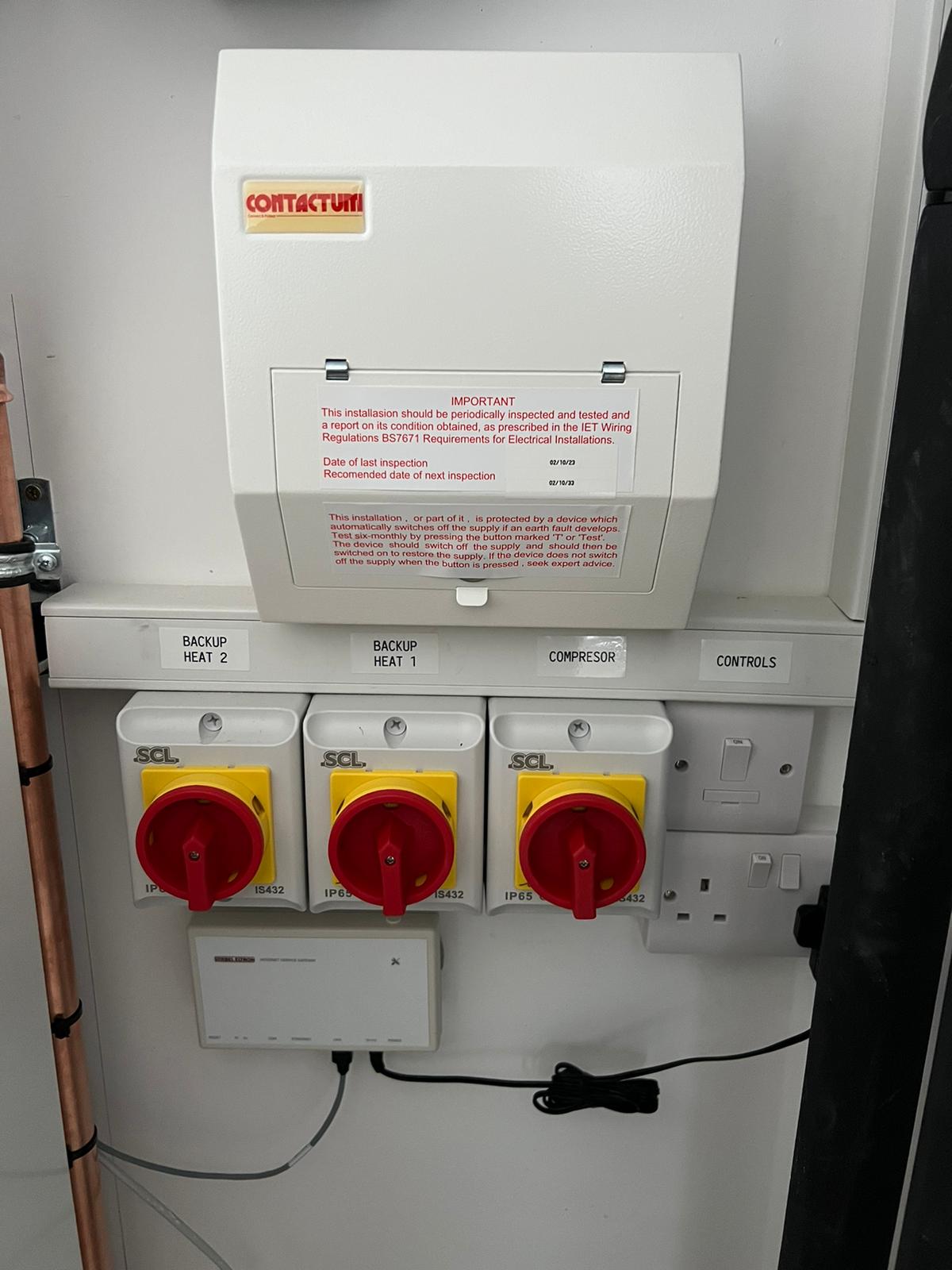
We’ve been installing ground source heat pumps since 2009.
As early adopters of this technology, we’ve gained extensive experience in designing and installing efficient systems tailored to each property. Through the Renewable Heat Incentive (RHI) and Feed-In Tariff schemes, we’ve helped many customers switch to clean energy, cutting bills and reducing their carbon footprint.

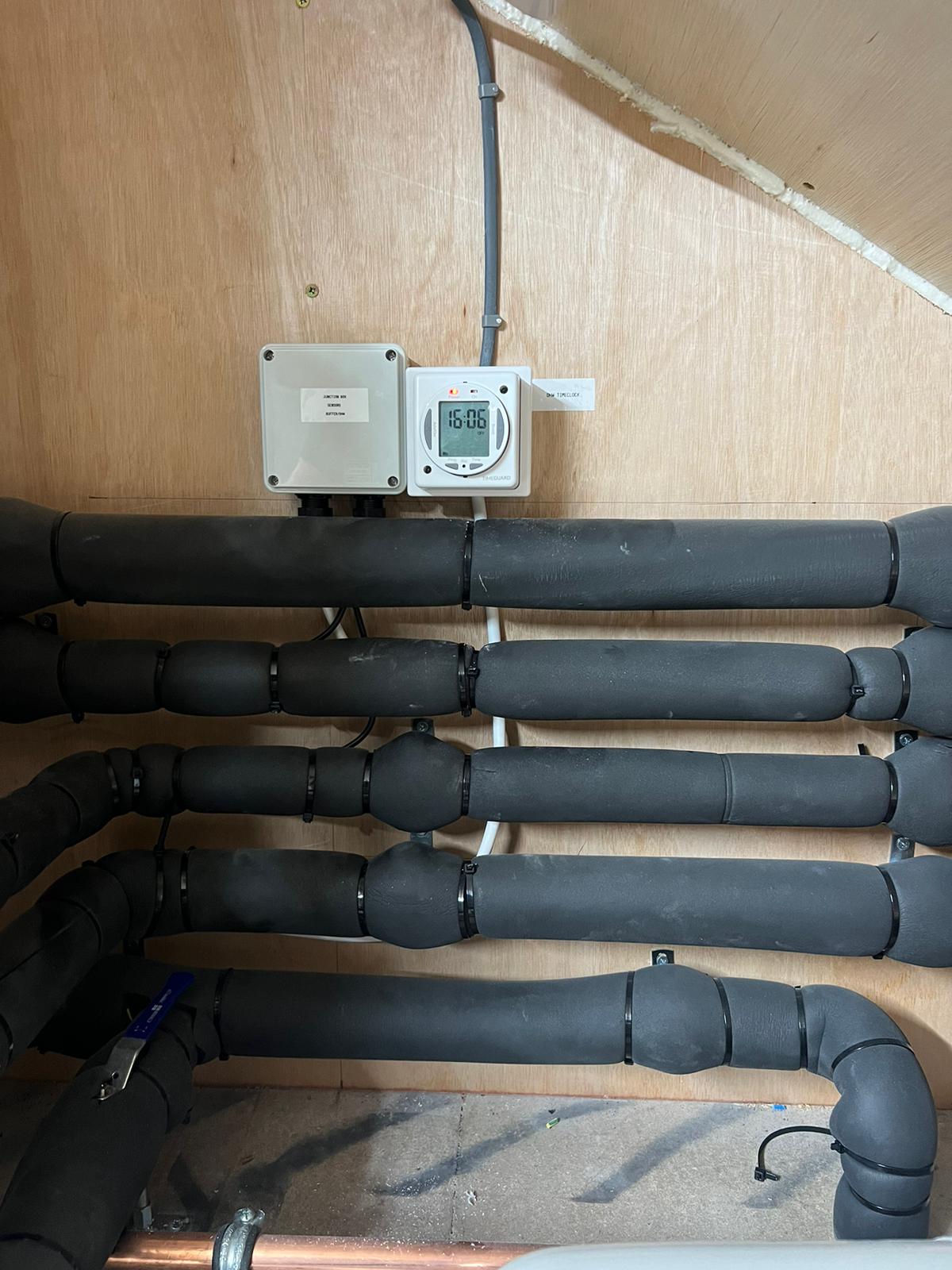
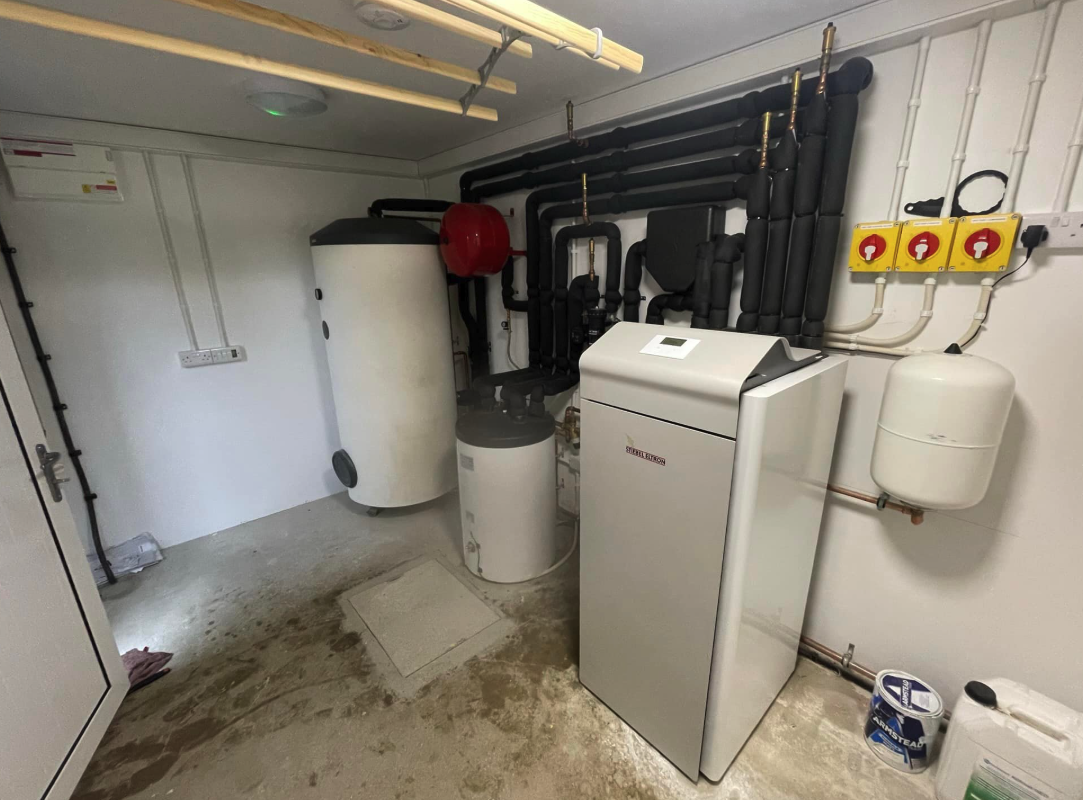
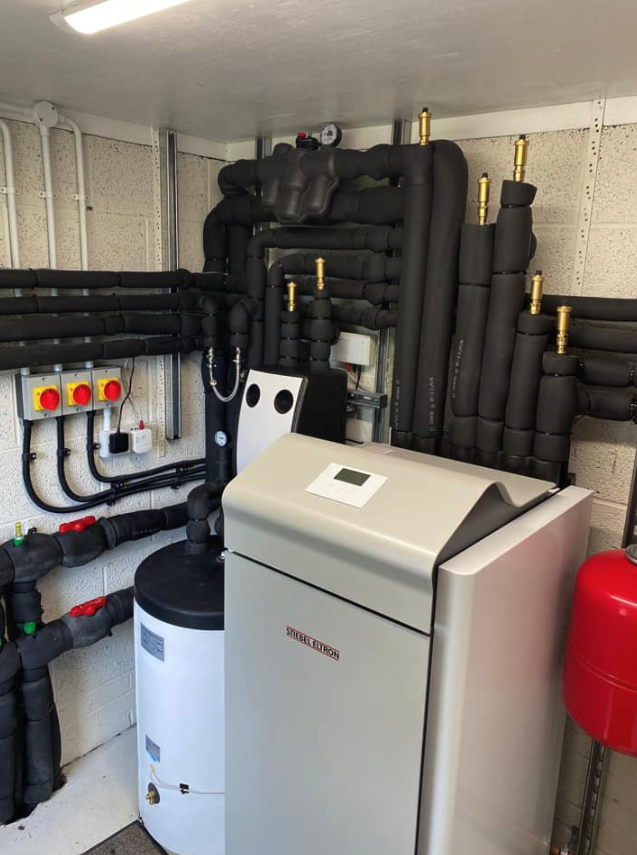
Browse our gallery to see the quality and care behind every installation.

Frequent Questions

They require sufficient outdoor space for the ground loop, so they may not be suitable for properties with limited land.

They are highly efficient, reduce carbon emissions, lower energy bills, and may qualify for government incentives.

Ground source heat pumps gained popularity thanks to the Renewable Heat Incentive (RHI), which provided financial support for installing renewable heating systems. However, the RHI scheme has now closed to new applicants, and with the high upfront costs and installation complexity of GSHPs, many homeowners and installers have shifted focus to air source heat pumps, which are generally cheaper and easier to install.