













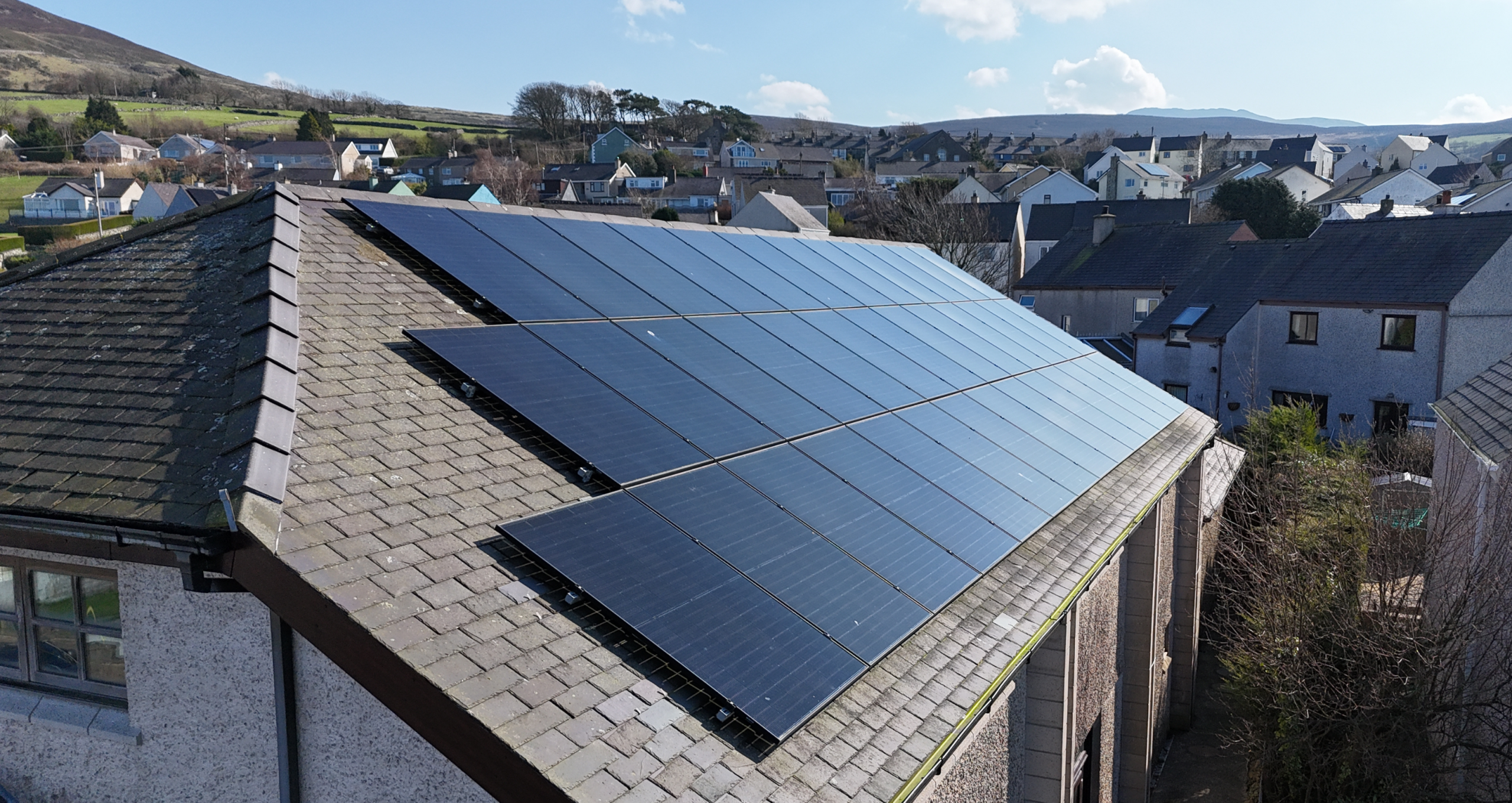
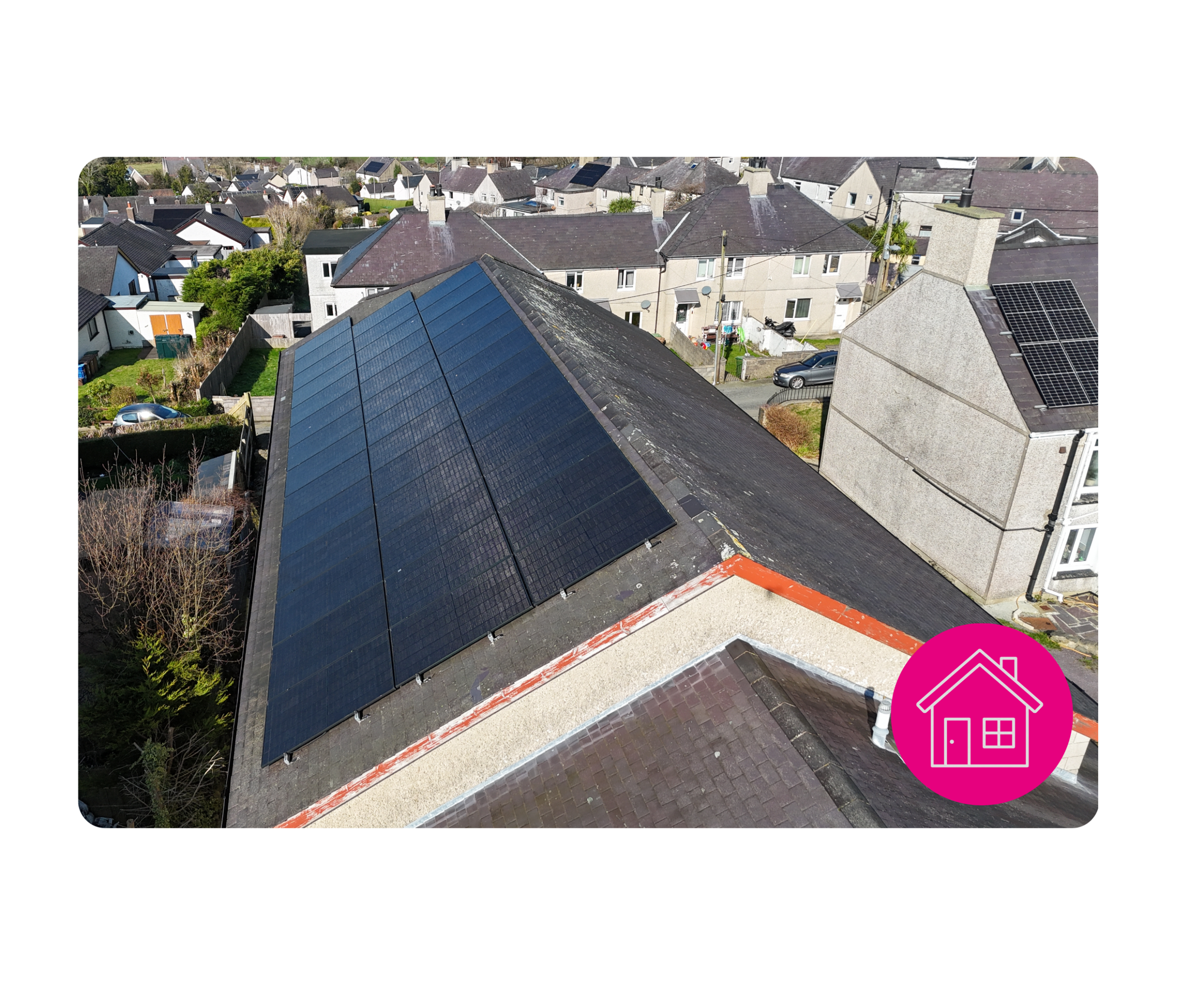
Commercial Solar
Reduce energy costs. Improve sustainability. Take control of your energy future.


What does solar mean for your business?
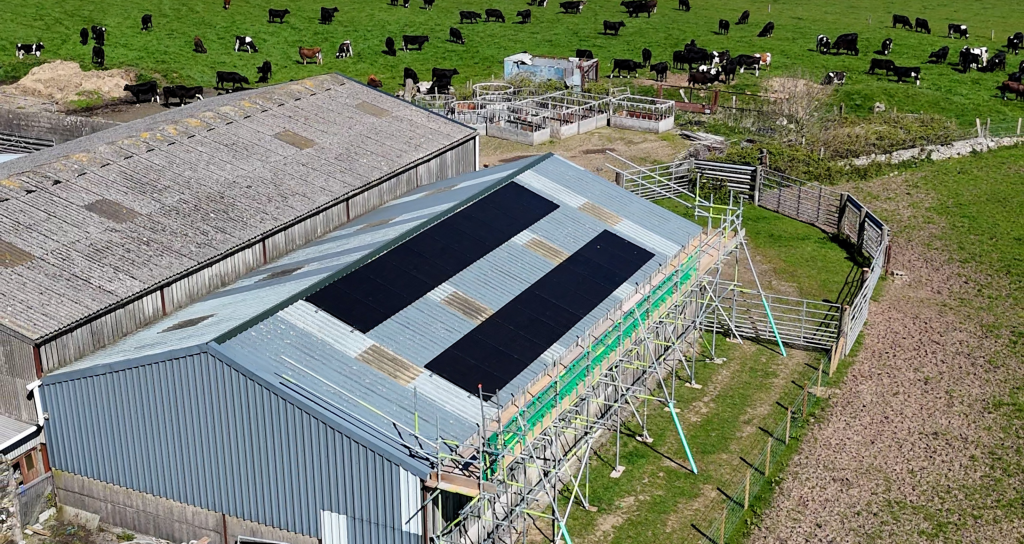
Commercial solar is one of the most effective investments a business can make. By generating your own electricity onsite, you can reduce reliance on the grid, protect against rising energy prices, and significantly lower operating costs.
What does solar mean for your business?
Commercial solar is one of the most effective investments a business can make. By generating your own electricity onsite, you can reduce reliance on the grid, protect against rising energy prices, and significantly lower operating costs.
Why invest in commercial solar
Lower energy bills
Generate electricity onsite and reduce the amount you need to purchase from the grid. Businesses can often achieve substantial savings on their energy costs over the lifetime of the system.
Price Stability
Solar provides a predictable source of electricity, helping protect your business from future energy market volatility.
Strong Return on Investment
Commercial solar systems can generate low-cost electricity for 25 years or more, delivering long-term financial benefits.
Demonstrate Sustainability
Reduce your carbon emissions and demonstrate your commitment to sustainability to customers, stakeholders, and employees.
Make Use of Unused Space
Transform unused roof space or available land into a productive energy-generating asset.
Minimal Maintenance
Solar systems are highly reliable and require very little ongoing maintenance, with monitoring and occasional servicing helping to maintain peak performance.
Commercial Solar Systems Designed Around Your Business
No two businesses use energy in exactly the same way. That’s why every solar project begins with a detailed assessment of your site’s energy consumption, operating patterns, and future growth plans.
Our performance-led design process focuses on:
- Delivering reliable performance for decades
- Maximising onsite energy consumption
- Improving long-term financial returns
- Designing for future expansion
- Integrating battery storage where beneficial
Commercial Solar Systems Designed Around Your Business
No two businesses use energy in exactly the same way. That’s why every solar project begins with a detailed assessment of your site’s energy consumption, operating patterns, and future growth plans.
Our performance-led design process focuses on:
- Delivering reliable performance for decades
- Maximising onsite energy consumption
- Improving long-term financial returns
- Designing for future expansion
- Integrating battery storage where beneficial
Suitable for a wide range of spaces

Pitched Roofs
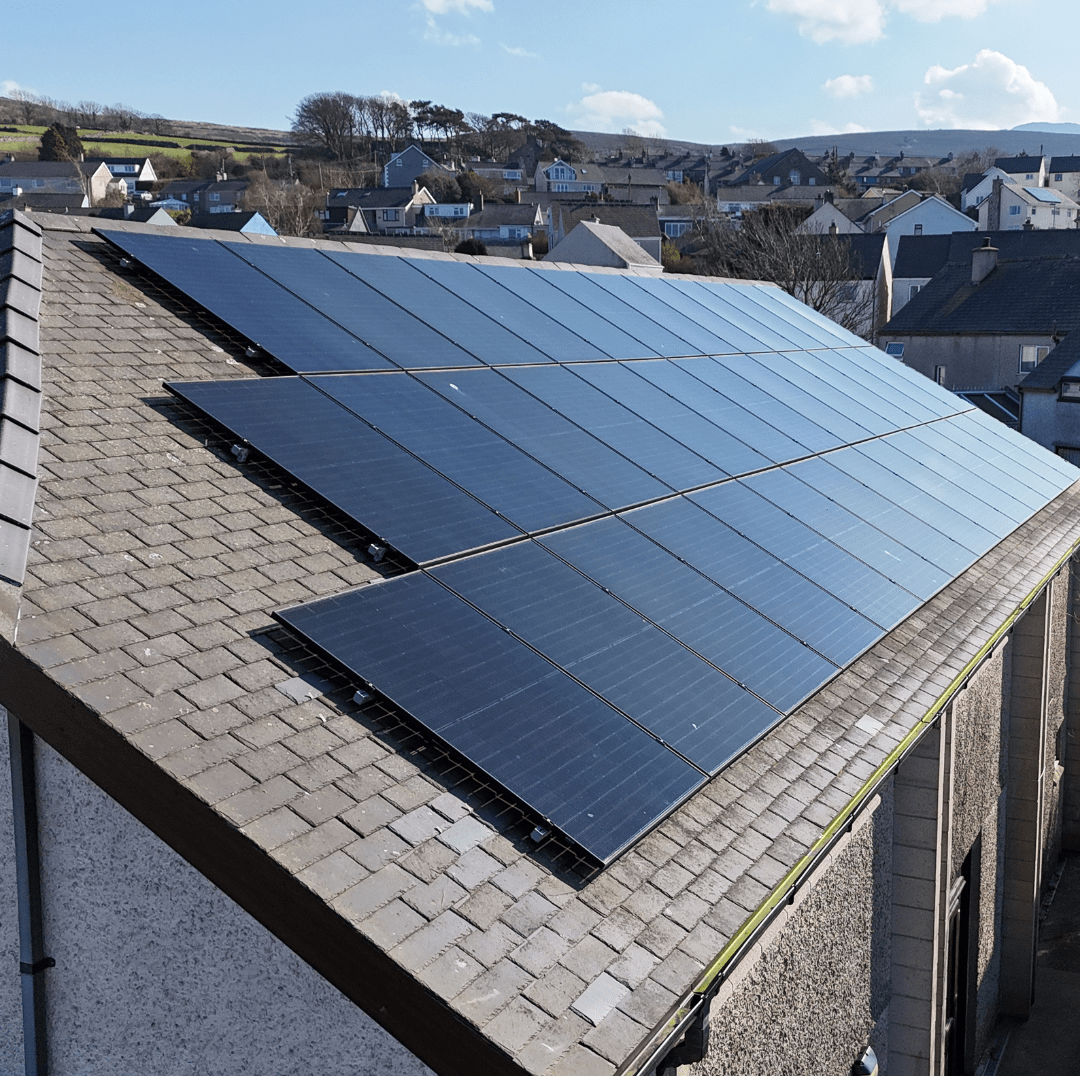
An efficient solution that makes use of existing roof space while maintaining the appearance of the building
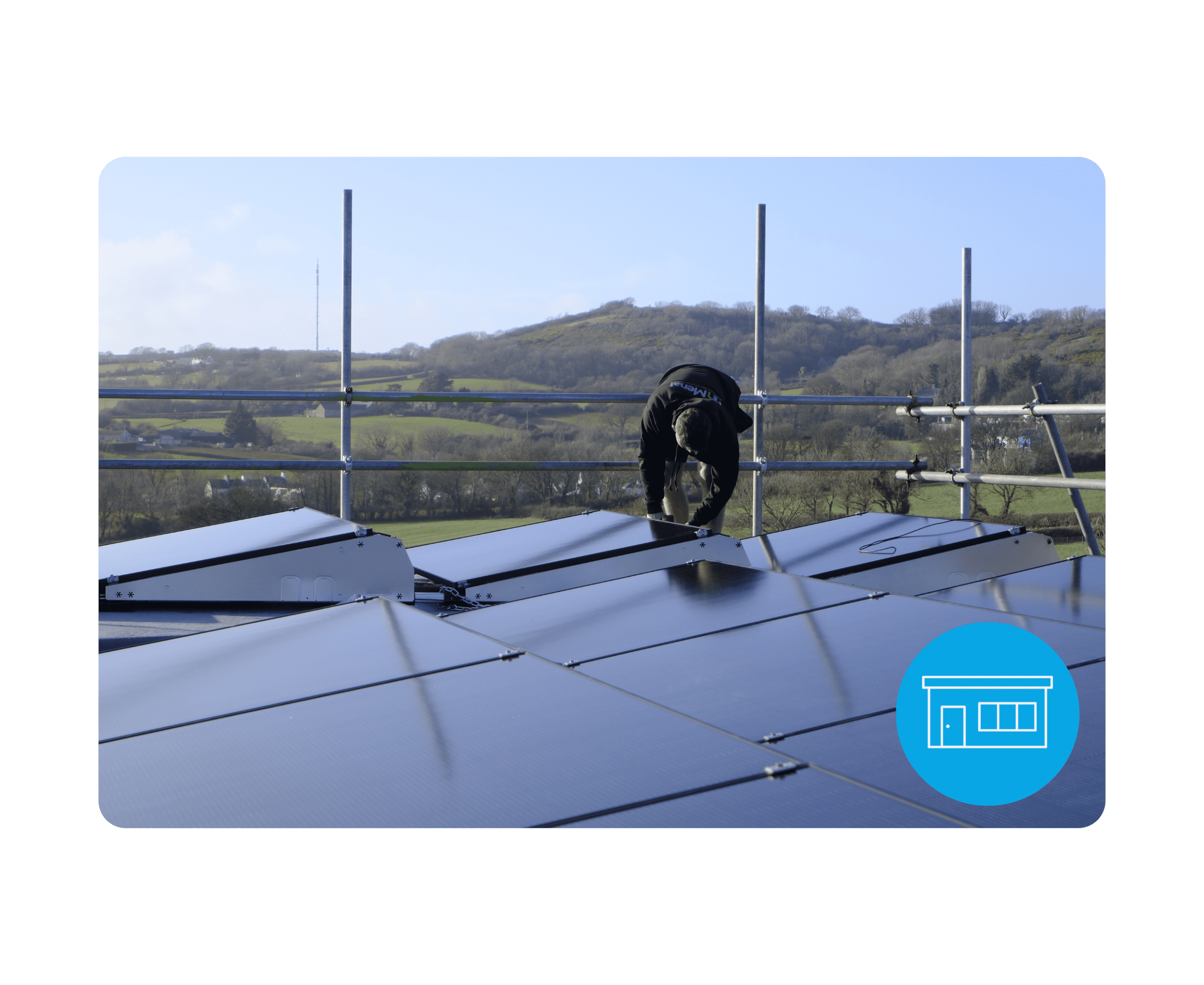
Flat Roofs
Mounted using specialist framing systems designed to optimise solar generation.
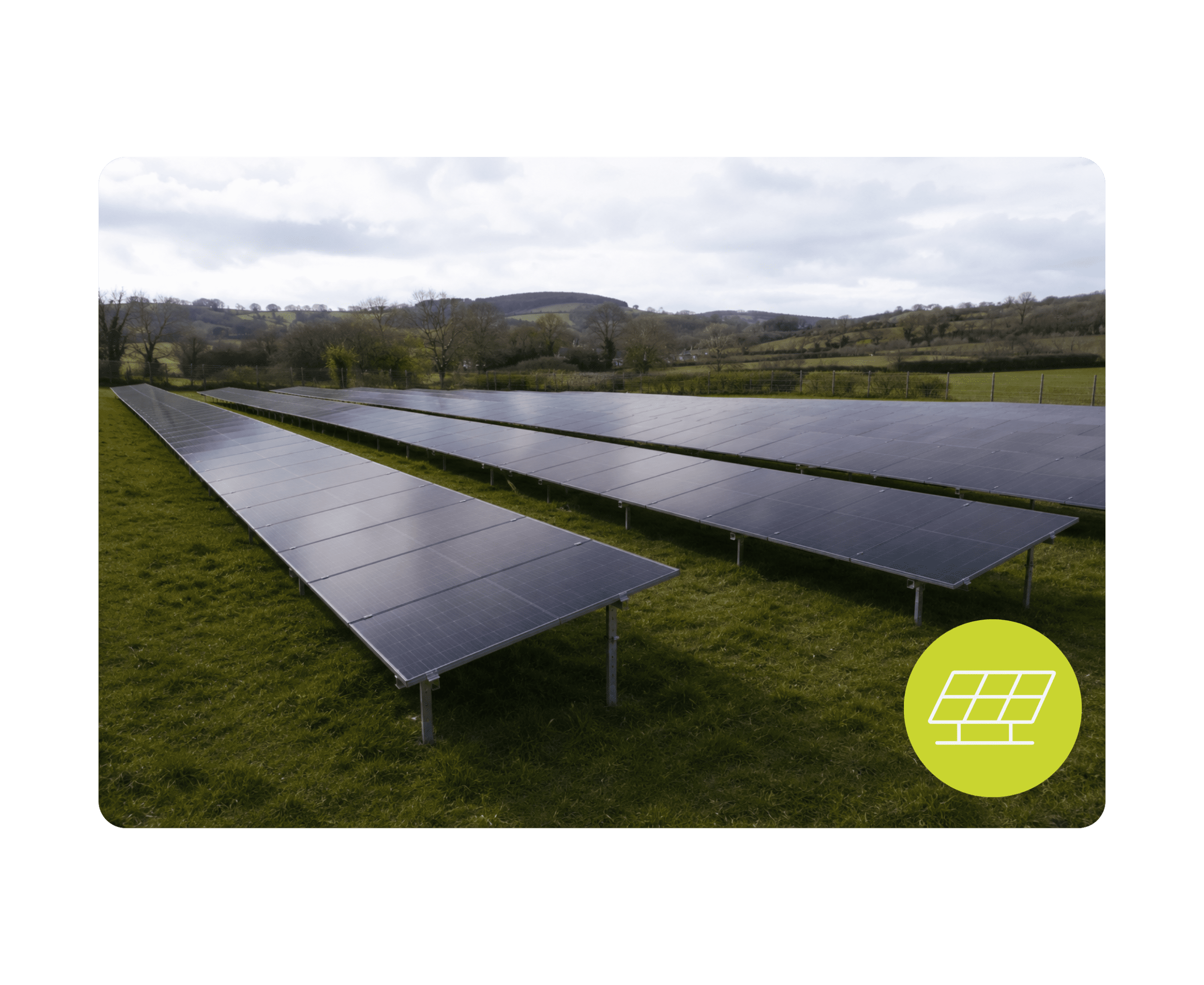
Ground Mounted Systems
Ideal for businesses with available land or sites requiring larger generation capacity.
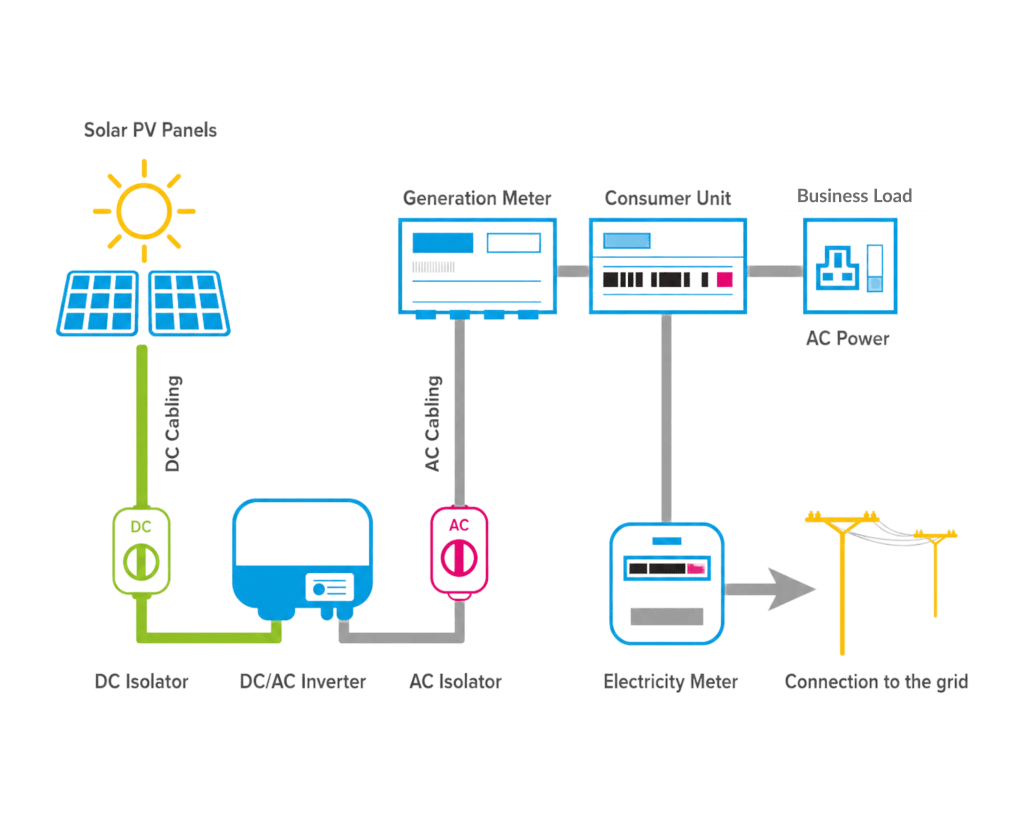
How Commercial Solar Works
Components
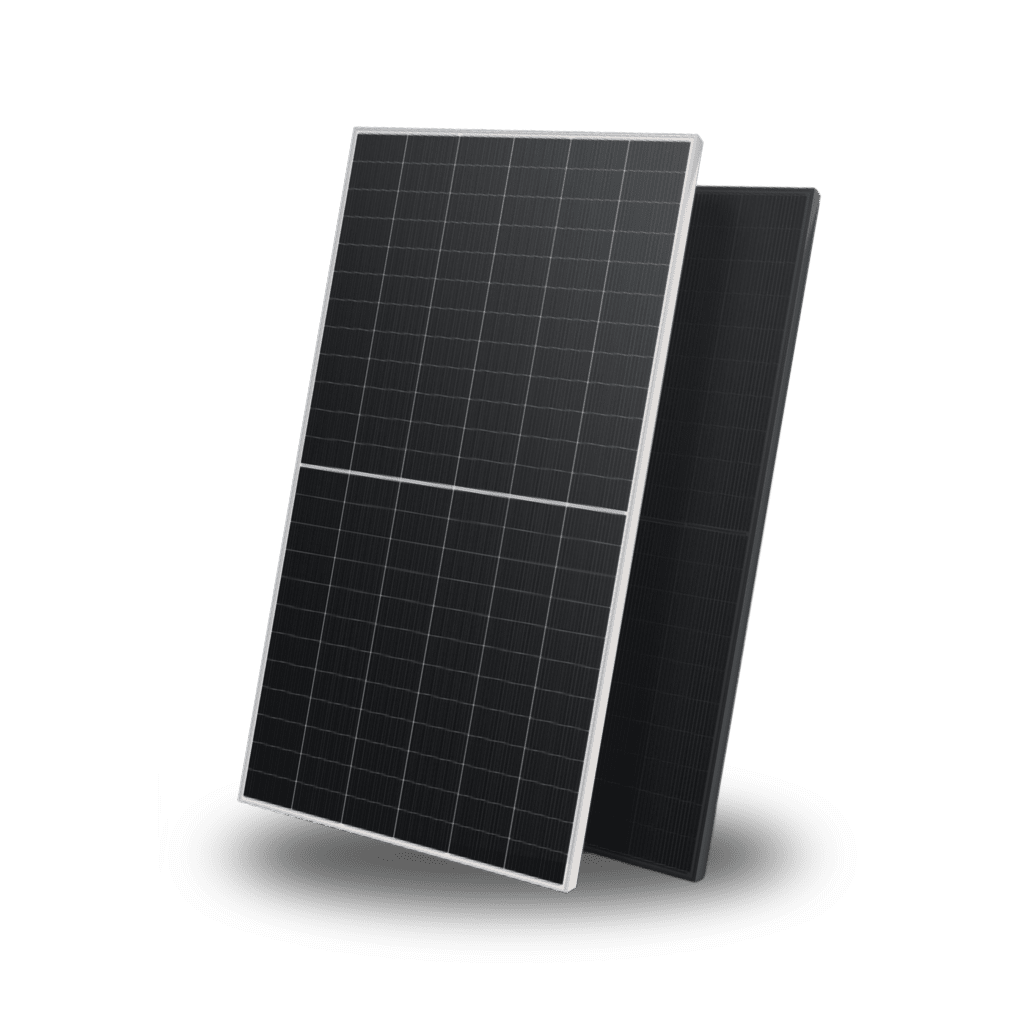
Solar Panels
Capture sunlight and generate electricity, forming the foundation of the system.
Inverters
Convert electricity into a form suitable for use within your building.
Mounting Systems
The mounting system secures the panels safely to the roof, ground, or supporting structure, ensuring stability and optimal positioning for energy generation.
Meter & Monitoring
Measures energy generation, consumption, and exports while providing performance data to help keep the system operating efficiently.
Battery Storage (Optional)
Store excess electricity for use during evenings, peak periods, or times of increased demand.
Components
Solar Panels
Capture sunlight and generate electricity, forming the foundation of the system.
Inverters
Convert electricity into a form suitable for use within your building.
Mounting Systems
The mounting system secures the panels safely to the roof, ground, or supporting structure, ensuring stability and optimal positioning for energy generation.
Meter & Monitoring
Measures energy generation, consumption, and exports while providing performance data to help keep the system operating efficiently.
Battery Storage (Optional)
Store excess electricity for use during evenings, peak periods, or times of increased demand.
Solar PV systems convert sunlight into usable electricity, powering everything from lighting and office equipment to machinery and site operations. Any surplus energy can be exported to the grid, creating an additional income stream, or stored in a battery for use later, helping to support operations outside of daylight hours and reduce reliance on grid power.
Designed specifically for non-domestic use, commercial solar systems are installed to supply energy directly to the site on which they sit. Unlike large-scale solar farms, these systems are tailored to meet the needs of the business, improving efficiency and reducing overall energy costs.
System sizes are flexible and can be scaled to suit the building and its energy demand. Smaller systems of up to 50kW, typically around 100 to 150 panels, are classed as microgeneration, while larger commercial installations can reach several megawatts on industrial sites. This scalability makes solar a practical solution for a wide range of businesses, from small premises to large-scale operations.
Funding Options
We understand that every business has different financial requirements. Several funding options are available:
Self-funded
Own the system outright and retain all energy savings and export revenue.
Power Purchase Agreements (PPAs)
A third-party investor funds, owns, and maintains the system. Your business purchases the generated electricity at an agreed discounted rate, often with no upfront capital investment.
Asset Finance
Spread the cost through lease or hire purchase arrangements while benefiting from immediate energy savings.
Funding Options
We understand that every business has different financial requirements. Several funding options are available:
Self-funded
Own the system outright and retain all energy savings and export revenue.
Power Purchase Agreements (PPAs)
A third-party investor funds, owns, and maintains the system. Your business purchases the generated electricity at an agreed discounted rate, often with no upfront capital investment.
Asset Finance
Spread the cost through lease or hire purchase arrangements while benefiting from immediate energy savings.

Detailed Technical Analysis
Our team uses detailed energy analysis, site assessments, and performance modelling to design systems that deliver the strongest possible return on investment.

Performance-Led System Design
Every system is designed around your actual energy usage, helping maximise self-consumption, increase savings, and ensure long-term performance.

In-House Project Management
From initial feasibility through to commissioning, our dedicated team manages every stage of the project, providing a smooth and efficient experience with a single point of contact throughout.
Ongoing Support
We continue to support your investment after installation, with monitoring system guidance, maintenance advice, and expert assistance to help keep your system operating at its best.

Transparent Advice and Communication
We believe in honest, straightforward advice. You'll receive clear information on costs, savings, performance expectations, and project timelines, allowing you to make informed decisions with confidence.

Quality Installation
Our experienced engineers install systems to the highest standards, ensuring safety, reliability, and long-term performance while minimising disruption to your operations.

What to expect from the installation
Register Your Interest
Submit an enquiry online or contact us by phone, and a member of our team will be in touch.
Phone Consultation
We’ll discuss what you’re looking to achieve with solar, your energy usage, and the type of system that may best suit your property. Based on the information provided, our team will create an initial solar design tailored to maximise performance and efficiency for your home. As well as a provisional quote.
Site Survey
One of our surveyors will visit your site to carry out a detailed assessment. This includes reviewing roof suitability, available installation space, and any factors that may affect system performance or installation.
Proposal Review & Approval
Following the survey, we’ll make any necessary amendments to the solar design and system specification based on the findings and any preferences or requests you may have. Once you are happy with the proposal, we’ll move forward to the next stage.
Contracts & Documentation
We’ll guide you through the relevant contracts and documentation required for the installation. At this stage, we will also complete the necessary paperwork, including MCS certification and DNO notifications/applications where required, helping ensure eligibility for SEG payments.
Schedule Your Installation
Once everything has been approved, we’ll agree on a suitable installation date and schedule the works with our installation team.
Installation & Handover
Our engineers will install and commission your solar system in line with industry standards, ensuring everything is operating safely and efficiently. Once complete, we’ll guide you through the system, monitoring platform, and key information so you feel confident using it.
Request a Commercial Solar Assessement
Every business is different, but the opportunity to reduce energy costs and improve sustainability is available today.
Speak to our team for a no-obligation commercial solar assessment and discover what’s possible for your site
What do our customers say?
Join the club
Sign up for exclusive solar offers, system optimisation tips, and key industry updates.
Access the full Menai Club collection – all our updates and insights in one place!
Frequent Questions
can i get paid for my solar energy?
Yes, if your solar panel system exports excess electricity back to the grid, you may be eligible for payments through the Smart Export Guarantee (SEG). This government-backed scheme allows energy suppliers to pay you for each unit of electricity you export. To qualify, your system must meet certain standards and be installed by an MCS-certified installer.
what happens to my excess solar energy?
Any solar energy you generate but don’t use in your home is automatically exported to the National Grid. If you’re signed up to a Smart Export Guarantee (SEG) tariff, your energy supplier will pay you for each unit of electricity you export. If you have a battery storage system, your unused solar energy can be stored and used later, for example, in the evening or during cloudy periods.
do i need permission?
In most cases, solar panels and heat pumps are considered permitted developments, meaning you don’t need planning permission. However, there are exceptions, for example, if your property is listed, in a conservation area, or if the installation doesn’t meet certain size or placement guidelines. We always carry out checks to ensure your installation meets all local requirements and regulations.
Where can solar panels be installed?
Solar panels can be roof or ground mounted if roof space isn’t suitable. For the best performance, we typically install panels on south-facing roofs, as they receive the most consistent sunlight throughout the day. While east- or west-facing roofs are sometimes possible, they generate less energy, so we usually don’t recommend them unless the conditions are right.