

Understanding When Planning Permission Is Required for Your Energy-Efficient Installations
Considering energy-efficient improvements like air source heat pumps or solar panels for your property? It’s essential to know when planning permission is required to ensure a smooth installation process. Here’s a concise guide to help you navigate the requirements.
Considering installing energy-efficient measures like air source heat pumps or solar panels? It’s important to know when planning permission may be needed to avoid unexpected surprises. Let’s break it down for you!
When Is Planning Permission Needed?
In general, planning permission is required if the work is considered ‘development’ under Section 55 of the Town and Country Planning Act 1990. This includes:
• Building operations: Structural alterations, construction, rebuilding, and most demolition.
• Material changes: Altering the use of land or buildings.
• Mining activities.
• Engineering operations: Such as groundworks.
• Modifications to the external appearance: Adding or changing visible equipment.
What Does This Mean for Energy-Efficiency Installations?
Some of the equipment we install may fall under these rules because they alter the external appearance of a property. This includes:
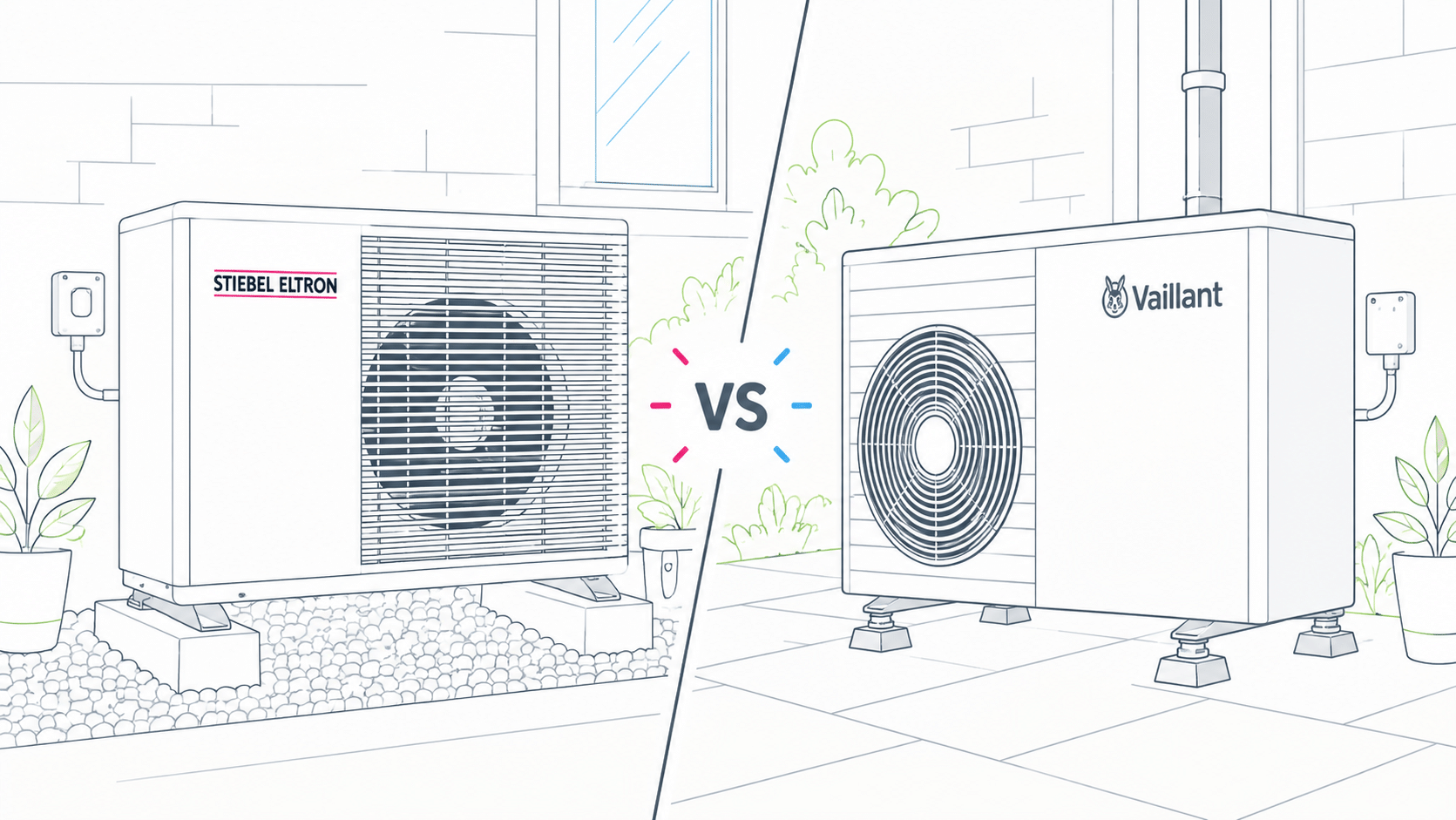
• Air Source Heat Pumps (ASHP)
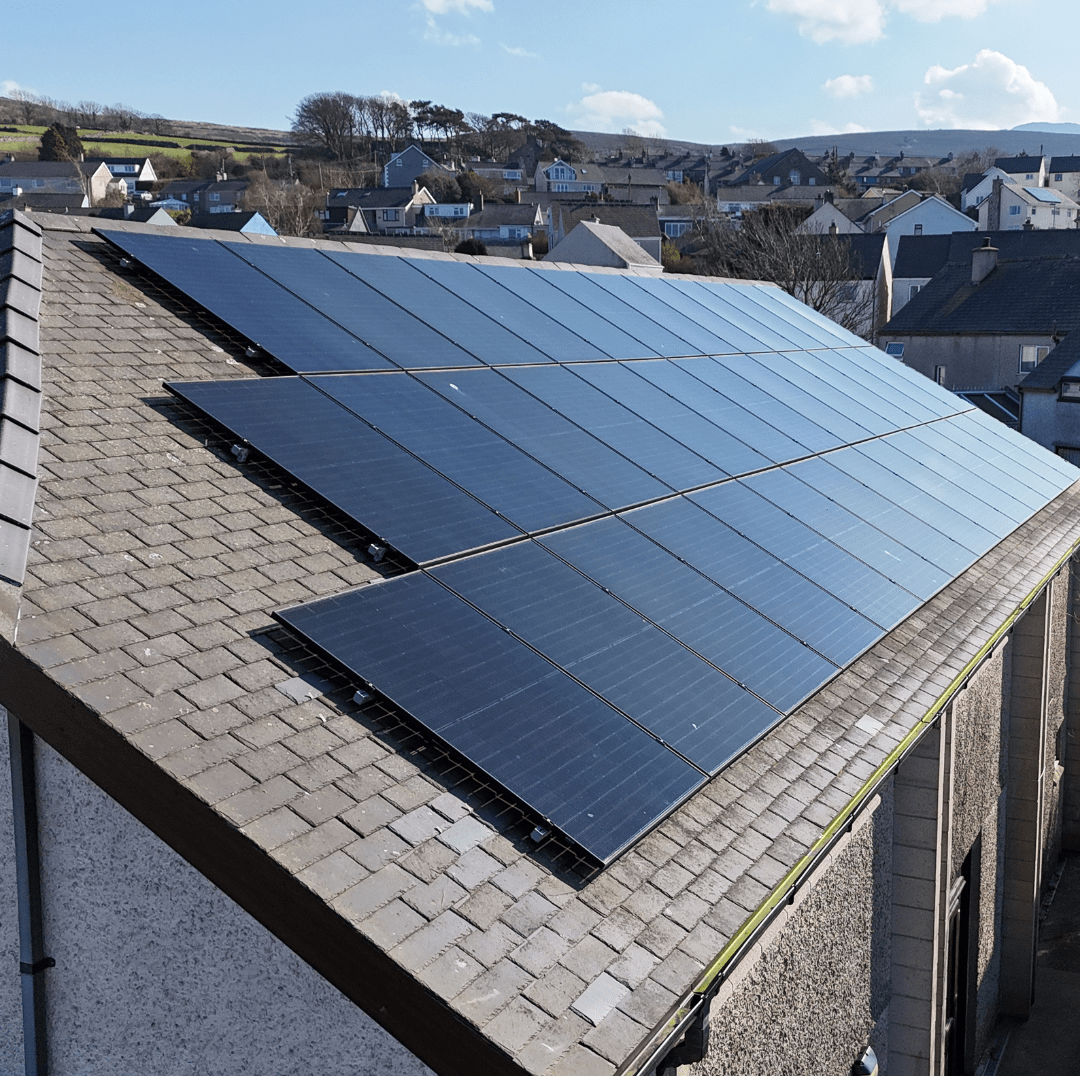
• Solar Photovoltaic (PV) Panels
• Boiler Flues
• Extractor Fans
If you’re planning to install any of these, here are the key situations where planning permission will likely be required:
Key Scenarios Requiring Planning Permission
1. Conservation Areas and Listed Buildings
If your property is in a conservation area or is a listed building, any external changes, such as installing energy-efficiency measures, will typically require planning permission to ensure the historical and architectural integrity of the property is preserved.
o Conservation Areas: These are special zones with historic or architectural interest. Changes that impact a building’s appearance in these areas often require approval.
o Listed Buildings: Structures recognized for their exceptional significance. Any work that affects their character, including adding external equipment, usually requires consent.
2. Air Source Heat Pump (ASHP) Specific Planning Permissions in Wales
When installing an Air Source Heat Pump (ASHP) in Wales, there are specific conditions that determine whether planning permission is required:
• Proximity to Property Boundaries:
o Planning permission is required if the ASHP is installed within 3 meters of a neighbouring property’s boundary. This regulation helps manage noise and maintain good neighbourly relations.
• Compressor Size:
o The external unit and housing cannot exceed 1 cubic meter.
• Additional Installation Conditions:
o First ASHP Only: Only the first ASHP unit falls under permitted development rights. Installing a second unit will require planning permission.
o Installation Surface: The external unit must be installed on flat surfaces. If mounted on a flat roof, it must be at least 1 meter from the roof’s edge.
o Minimising Visual Impact: The ASHP must be installed in a way that minimizes its impact on the building’s appearance and the area’s amenity. This could include placing it at the back of the house, out of view from the road, or below the first storey if mounted on a wall.
o Protrusion Limit: The external unit must not protrude more than 1 meter from the outer wall, roof, or chimney.
Before proceeding with the installation, always check with your local planning office to ensure compliance with Wales-specific regulations.