
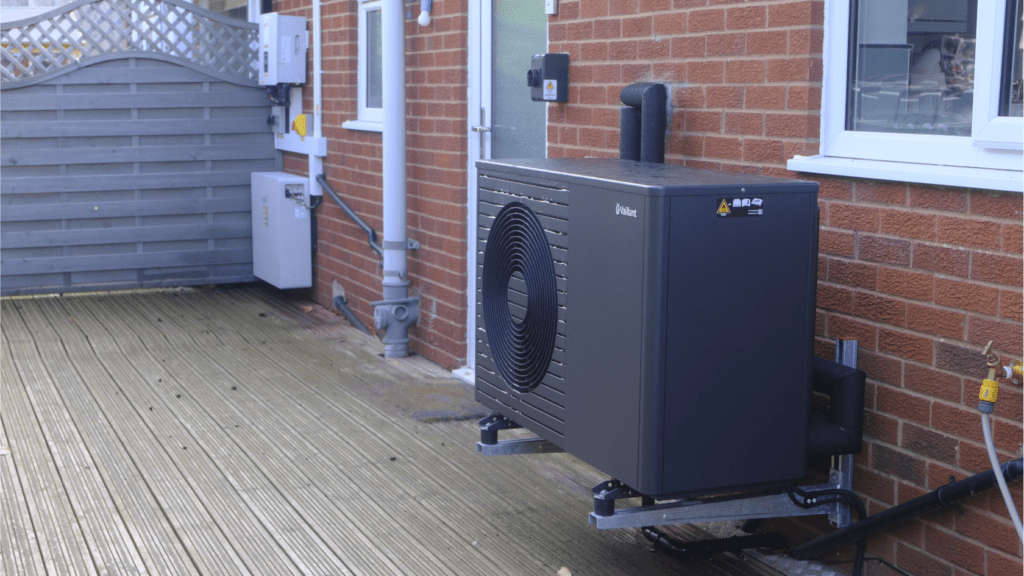

The cost of installing a heat pump can vary significantly from one property to another, and it doesn’t always involve replacing your entire central heating system.
In some homes, much of the existing heating system, including radiators and pipework, can be retained, reducing the amount of work required and the overall installation cost. Combined with government funding, this means some homeowners can have a heat pump installed for considerably less than others.
However, not every property is suitable for a straightforward installation. Factors such as your home’s heat loss, existing heating system and the upgrades needed to ensure efficient performance all influence the final price.
So, what makes a lower-cost heat pump installation possible, and why do costs differ so much between properties?
Boiler Upgarde Scheme (BUS)
One of the biggest factors for reducing the cost of installating a heat pump is the available government grant.
Through the government’s Boiler Upgrade Scheme (BUS), eligible homeowners can receive financial support towards the cost of installing an air source heat pump.
- £7,500 towards a standard eligible installation.
£9,000 for eligible properties replacing an oil or LPG heating system.
This funding is deducted from your installation cost, reducing the amount you need to pay.
Avoiding Uneccessary Upgrades
In some properties, installing a heat pump can be relatively straightforward, with much of the existing central heating system retained.
At Menai Heating, we carry out a detailed property survey and heat loss assessment to determine exactly what your home needs.
This includes assessing your existing radiators, pipework and heating system to identify which components can be retained and which may need upgrading.
Our aim is to avoid unnecessary replacements wherever possible, without compromising the efficiency or performance of your new system.
Why Can't Every Heat Pump Be a Straight Swap?
Unlike traditional boilers, heat pumps generally operate most efficiently at lower heating water temperatures.
To deliver enough warmth at these temperatures, some properties may require larger radiators or upgrades to existing pipework.
If radiators are too small, the heat pump may need to operate at higher temperatures to keep your home warm, reducing its efficiency and potentially increasing running costs.
Similarly, undersized pipework can restrict water flow and affect system performance.
That’s why we don’t automatically recommend a straight swap. A cheaper installation isn’t necessarily better value if it results in higher running costs over the system’s lifetime.
How Does Your Property Affect the Cost?
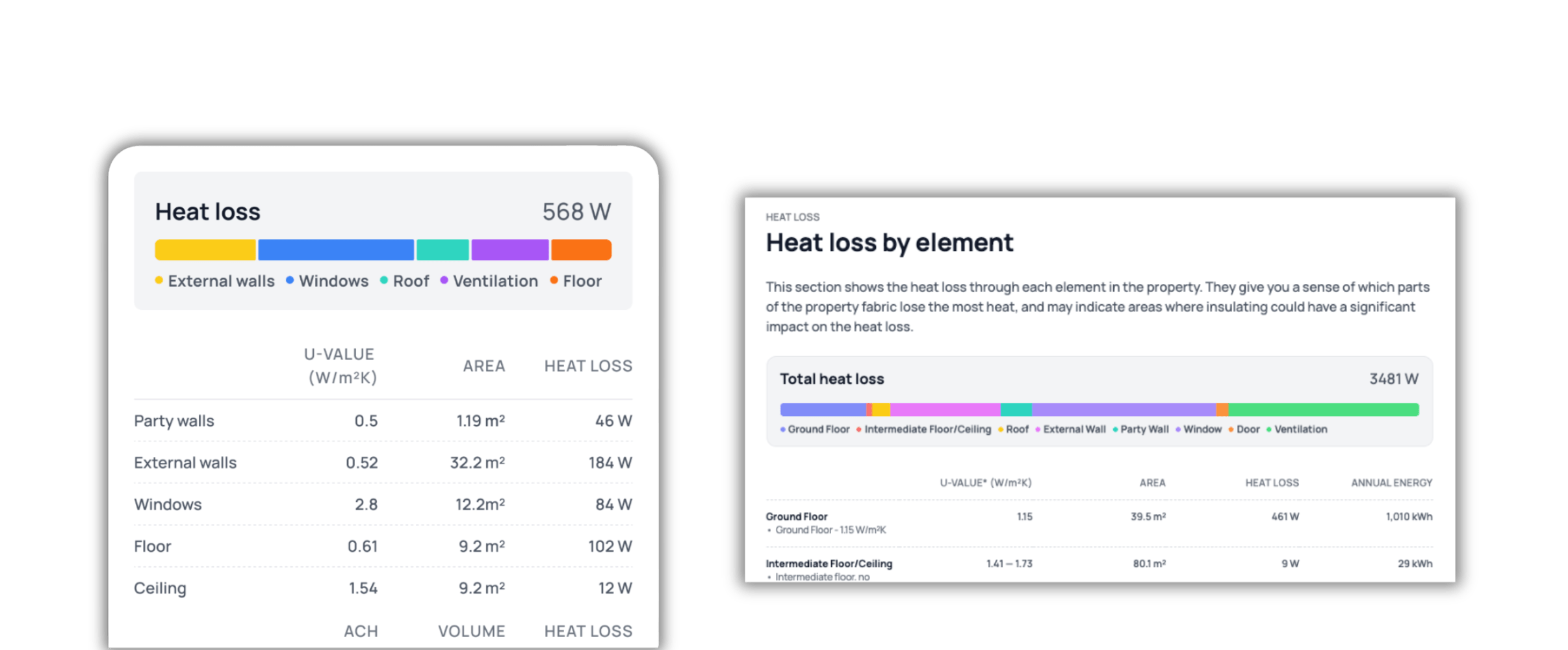
Another major factor influencing installation cost is your property’s heat loss — the amount of heat your home loses to the outside environment.
This determines how much heating capacity your home requires and, in turn, the size of the heat pump needed. Properties with higher heat loss generally require larger, more powerful heat pumps, which can increase the cost of installation.
Several factors influence heat loss, including:
Insulation: How effectively your walls, roof and floors retain heat.
Air permeability: How much warm air escapes through gaps and draughts.
Windows and doors: The type, size and thermal performance of your glazing.
Ventilation: How air moves in and out of your property.
Property size and construction: The area being heated and the materials used to build your home.
Two similarly sized properties can have very different heating requirements, which is why accurate heat loss calculations are essential.
A property with lower heat loss may require a smaller, less expensive heat pump and fewer upgrades to its existing heating system, helping reduce the overall installation cost.
Correctly sizing the heat pump is essential, not only to avoid unnecessary installation costs but also to ensure the system delivers efficient, reliable heating without excessive running costs.
What Does a Lower-Cost Heat Pump Installation Look Like?

Total Installation Cost
£1,800

Grant Funding Applied
£9,000 BUS Grant

Property details
Current heating system = Oil Floor area = 201 m2 Surveyed heatloss = 9.73kw

Upgrades
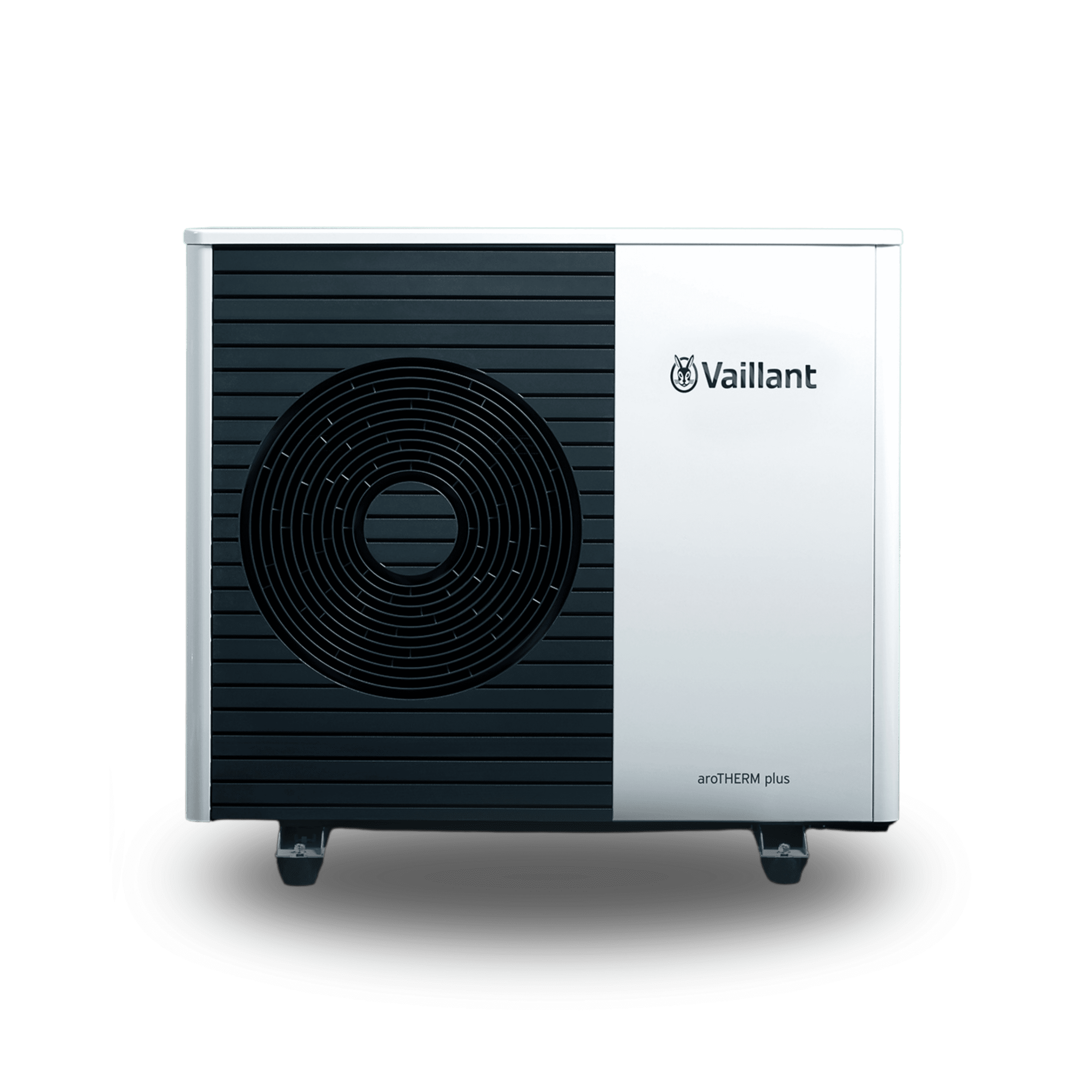
- Vaillant aroTHERM plus 10kW - 3m external pipework - 1m internal pipework

Total Installation Cost
£2,800

Grant Funding Applied
£7,500 BUS Grant

Property details
Current heating system = Biomass boiler Floor area = 137 m2 Surveyed heatloss = 8.53 kW

Upgrades
- Vaillant aroTHERM plus 7kW - 5m external pipework - 6m internal pipework

Total Installation Cost
£4,400

Grant Funding Applied
£7,500 BUS Grant

Property details
Current heating system = Mains Gas Floor area = 107 m2 Surveyed heatloss = 5.27 kW

Upgrades
- Vaillant aroTHERM plus 7kW - Newark Cylinders MiniStoreFAT 110L - 5m external pipework - 3m internal pipework
As these real installation examples demonstrate, the cost of installing a heat pump can vary significantly depending on your property’s requirements and the funding available.
A lower-cost installation doesn’t necessarily mean a smaller property or a less powerful heat pump. Factors such as your home’s heat loss, the suitability of existing heating components and the extent of pipework or other upgrades required can all influence the final cost.
It’s important to note that these examples did not require a complete new heating system, such as replacing all existing radiators and pipework. Where suitable components can be retained, installation costs can be significantly reduced.
Every home is different, which is why a detailed survey is essential to understanding what your property actually needs, identifying where existing components can be retained and providing an accurate installation quotation.
Find Out What a Heat Pump Could Cost for Your Home
At Menai Heating, we take a tailored approach to every installation. Our detailed surveys help us identify what your property actually needs, retain suitable existing components and design a system that delivers efficient, reliable heating.
Thinking about switching to a heat pump? Get in touch with our team to explore your options and find out what funding could be available.
Explore renewables
Find out more about the renewable energy solutions we offer.

Air Source Heat Pumps

Solar Panels

Battery Storage

Electric Vehicle Chargers

Air Source Heat Pumps

Solar Panels

Battery Storage