
If you’ve recently installed renewable technology in your home, or you’re considering making the switch, you may have started thinking a little differently about your electricity.
Installing a heat pump, solar panels, battery storage or an EV charger can change not only how much electricity you use, but when you use it.
There are now a wide range of energy tariffs available, including tariffs specifically designed around technologies such as heat pumps, electric vehicles and battery storage.
But where do you start?
In this guide, we’ll introduce the main types of household energy tariff, before looking at some of the options that may be particularly relevant to homes with renewable and low-carbon technologies.
Please note: We are heating and renewable energy specialists, not energy brokers or tariff comparison specialists. We don’t recommend individual energy suppliers or specific tariffs. Tariffs, prices and eligibility can change regularly, and the most suitable option will depend on your individual circumstances and energy usage. This article is intended as general information to help you understand the options available.
First, what is an energy tariff?
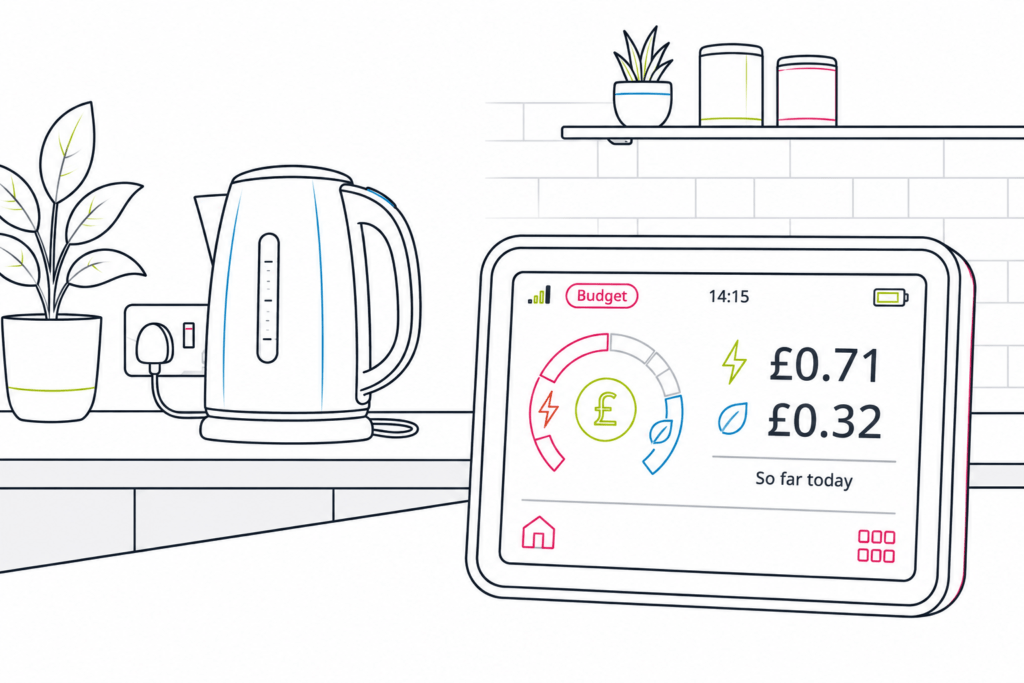
Put simply, an energy tariff determines how your energy supplier charges you for the gas and/or electricity you use.
Most tariffs include a unit rate, which is the amount you pay for each kilowatt-hour (kWh) of energy you use, alongside a daily standing charge.
However, the way those rates are structured can vary considerably.
There isn’t one tariff that’s right for every household. Your energy consumption, heating system, meter, location and even the times of day you use electricity can all influence which options are worth considering.
| Tariff type | What does it mean? | Things to consider |
|---|---|---|
| Standard variable tariff | Your supplier's standard/default tariff. Unit rates and standing charges can change, with applicable default tariff rates subject to Ofgem's Energy Price Cap. | You aren't locked into a fixed term, but your rates can change. |
| Fixed tariff | Your unit rate and usually your standing charge are fixed for an agreed period. | Offers more certainty over the rates you pay, although your actual bill will still depend on how much energy you use. Exit fees may apply if you leave early. |
| Dual-fuel tariff | Gas and electricity are supplied by the same energy company. | Convenient for homes that use both fuels, although using one supplier doesn't automatically mean it will be the cheapest option. |
| Prepayment tariff | You pay for energy before using it, traditionally using a key or card or through a smart prepayment meter. | Can provide greater control over spending, but the range of tariffs available may be different from standard credit-meter options. |
| Low or no standing charge tariff | Instead of paying the usual daily standing charge, some tariffs reduce or remove it and recover costs differently, potentially through higher unit rates. | May appeal to very low-energy users, but a lower standing charge doesn't necessarily mean a lower overall bill. |
| Economy 7 | An electricity tariff offering different day and night rates, typically including seven hours of cheaper off-peak electricity. | Can suit households able to use a significant amount of electricity during the cheaper period. The daytime rate can be higher, so your usage pattern matters. |
| Tracker tariff | A variable tariff where prices track another measure, such as wholesale energy prices or the Energy Price Cap. | Prices can move more frequently, meaning potential savings come with greater exposure to price changes. |
| Time-of-use tariff | Electricity costs different amounts depending on when you use it, usually with cheaper periods when demand on the grid is lower. | Particularly interesting for households that can move electricity consumption into cheaper periods. A compatible smart meter is generally required. |
| Tariff type | What does it mean? | Things to consider |
|---|---|---|
| Standard variable tariff | Your supplier's standard/default tariff. Unit rates and standing charges can change, with applicable default tariff rates subject to Ofgem's Energy Price Cap. | You aren't locked into a fixed term, but your rates can change. |
| Fixed tariff | Your unit rate and usually your standing charge are fixed for an agreed period. | Offers more certainty over the rates you pay, although your actual bill will still depend on how much energy you use. Exit fees may apply if you leave early. |
| Dual-fuel tariff | Gas and electricity are supplied by the same energy company. | Convenient for homes that use both fuels, although using one supplier doesn't automatically mean it will be the cheapest option. |
| Prepayment tariff | You pay for energy before using it, traditionally using a key or card or through a smart prepayment meter. | Can provide greater control over spending, but the range of tariffs available may be different from standard credit-meter options. |
| Low or no standing charge tariff | Instead of paying the usual daily standing charge, some tariffs reduce or remove it and recover costs differently, potentially through higher unit rates. | May appeal to very low-energy users, but a lower standing charge doesn't necessarily mean a lower overall bill. |
| Economy 7 | An electricity tariff offering different day and night rates, typically including seven hours of cheaper off-peak electricity. | Can suit households able to use a significant amount of electricity during the cheaper period. The daytime rate can be higher, so your usage pattern matters. |
| Tracker tariff | A variable tariff where prices track another measure, such as wholesale energy prices or the Energy Price Cap. | Prices can move more frequently, meaning potential savings come with greater exposure to price changes. |
| Time-of-use tariff | Electricity costs different amounts depending on when you use it, usually with cheaper periods when demand on the grid is lower. | Particularly interesting for households that can move electricity consumption into cheaper periods. A compatible smart meter is generally required. |
The important thing to remember is that the lowest advertised rate isn’t necessarily the best tariff for your household.
Your overall energy usage matters, and for homes with renewable technologies, when you use electricity can become particularly important.
What changes when you have renewable technology?
This is where energy tariffs become particularly interesting.
A conventional household might buy electricity from the grid throughout the day and use gas or oil for heating.
Introduce a heat pump, solar panels, battery storage or an electric vehicle and that energy profile can look very different.
You might:
- use more electricity because you’ve replaced a fossil-fuel heating system with a heat pump;
- generate some of your own electricity through solar panels;
- store electricity in a battery to use later;
- export surplus solar electricity back to the grid;
- charge a battery or EV during cheaper off-peak periods.
Because of this, there are now tariffs designed specifically around different low-carbon technologies.
Heat pump tariffs
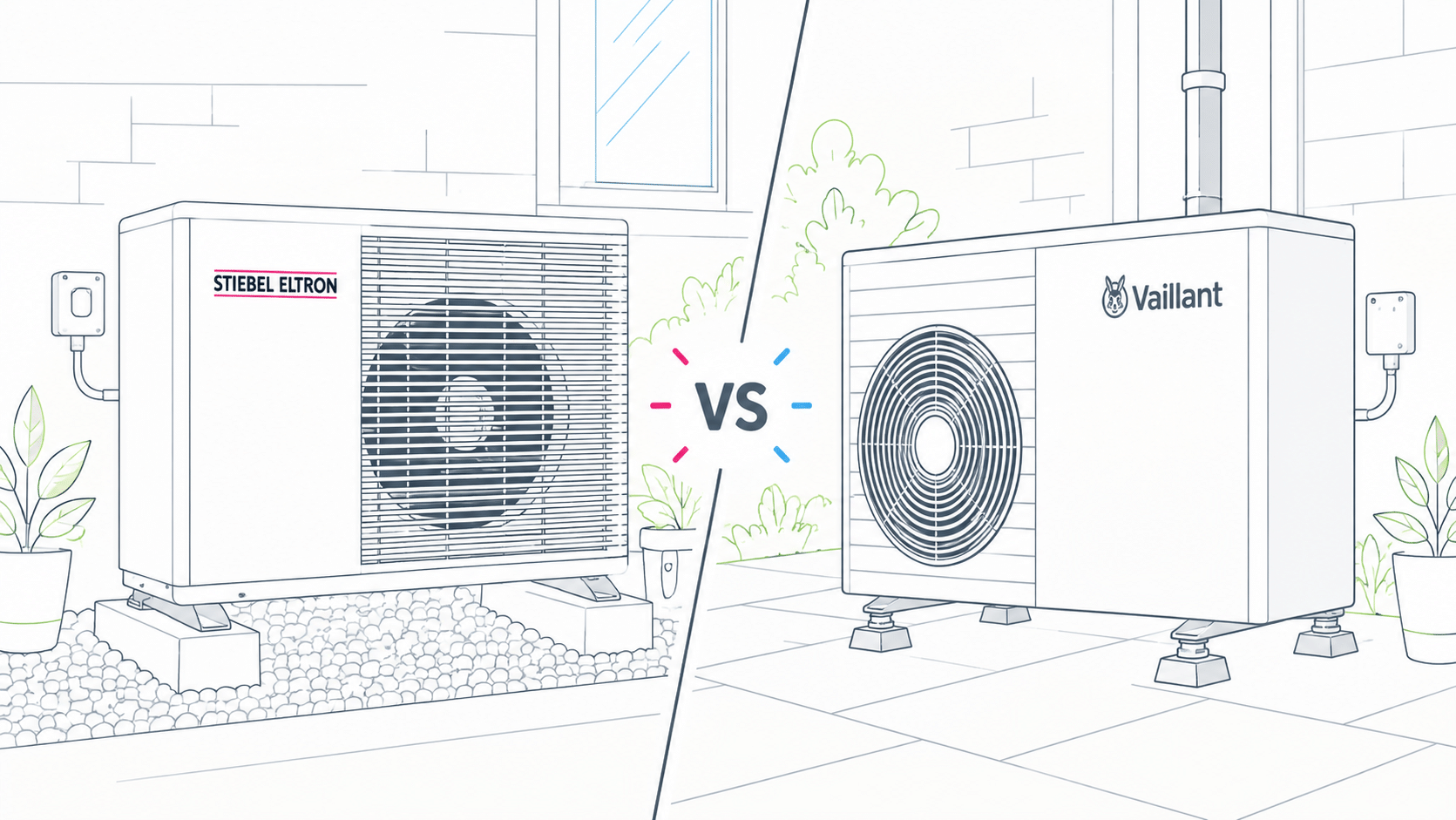
A heat pump uses electricity to transfer heat into your home, so installing one can significantly change your household’s electricity consumption.
Some energy suppliers now offer tariffs specifically for heat pump owners. These can work in different ways, with some offering cheaper electricity during certain periods of the day or special rates for electricity used by a heat pump.
However, it’s important to look at the whole tariff, not just the cheapest advertised rate. Some heat pump and time-of-use tariffs also have peak periods when electricity can be considerably more expensive.
This is particularly relevant for heat pumps because, unlike traditional boilers which are often switched on and off for shorter heating periods, heat pumps generally operate most efficiently by maintaining a steady indoor temperature for longer periods. This means your heat pump may still need electricity during the tariff’s more expensive peak periods.
It’s worth considering the tariff alongside factors such as:
- your heat pump’s electricity consumption;
- when it uses the most electricity;
- the tariff’s peak and off-peak rates;
- your other household electricity use;
- standing charges;
- and, importantly, how efficiently your heat pump is operating.
Tariffs are only one part of heat pump running costs
A cheaper electricity rate can help reduce running costs, but the performance of the heat pump itself is equally important.
Heat pumps don’t create heat in the same way as a traditional boiler. Instead, they move heat from the outside environment into your home and can therefore deliver multiple units of heat for each unit of electricity consumed.
The better the system performs, the more heat you can receive from the electricity you’ve purchased.
That’s why good system design, correct installation and ongoing performance are so important – not just the tariff supplying the electricity.
Solar panels and export tariffs
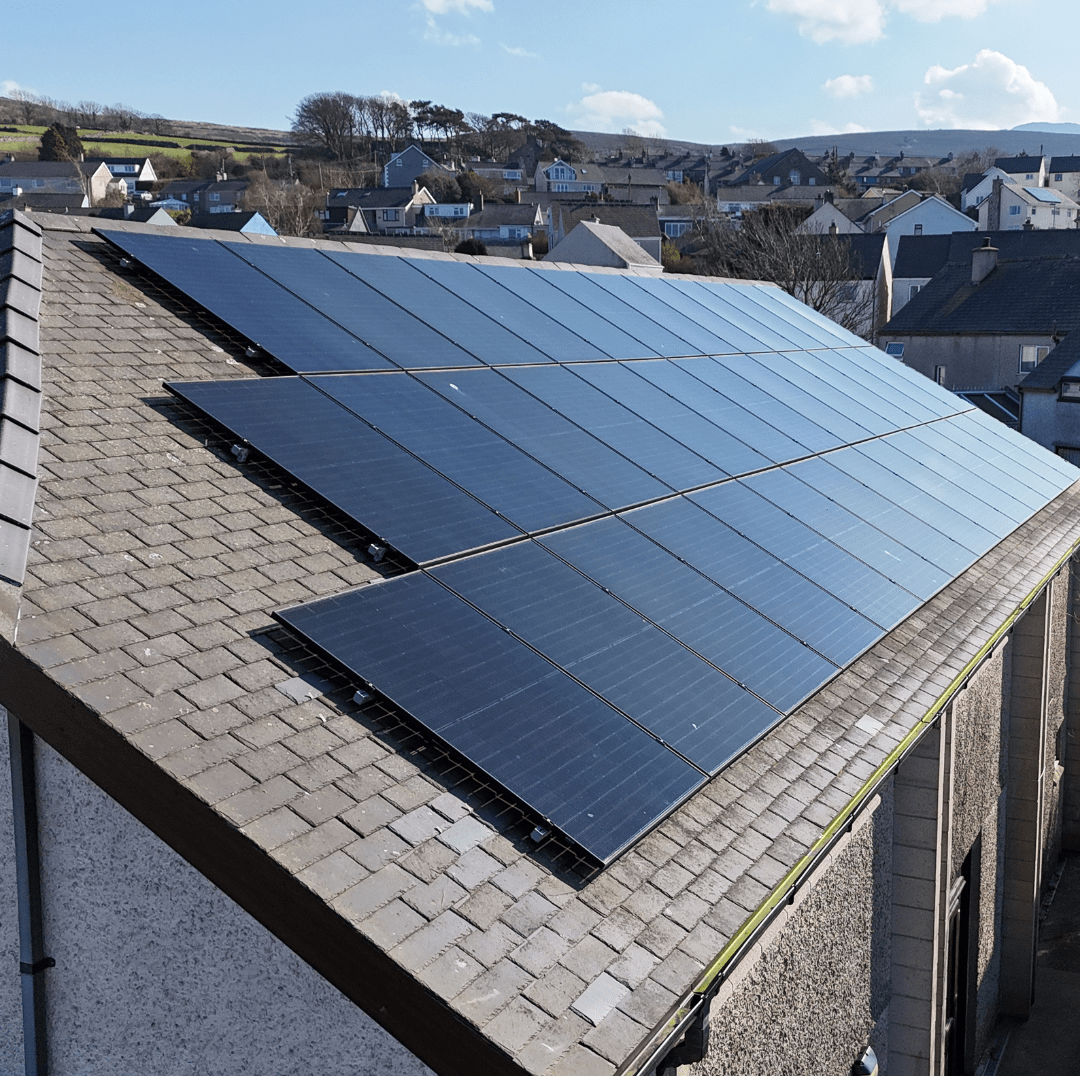
With solar PV, you can generate electricity at your own property.
When your panels are generating electricity, that energy can be used directly in your home. If you’re producing more than you’re using, the excess can potentially be exported to the electricity grid.
Eligible households can receive payments for electricity exported to the grid through the Smart Export Guarantee (SEG).
Different energy suppliers can offer different export tariffs and rates, so solar owners aren’t necessarily only interested in the price they pay to import electricity.
An important factor to consider with solar panels is whether your export rate is lower than your import rate. If you pay more to import electricity than you receive for exporting it, it may be more beneficial to use as much of your solar-generated electricity at home as possible.
Battery storage and time-of-use tariffs
Battery storage gives households greater control over when electricity is used.
If you have solar panels, surplus electricity generated during the day can potentially be stored rather than immediately exported, allowing you to use that energy later when your panels aren’t generating enough.
Some battery systems can also charge using electricity from the grid.
Pairing this capability with certain time-of-use tariffs can allow a battery to charge during cheaper off-peak periods, with the stored electricity then available for use during more expensive periods.
This means two households could consume the same total amount of electricity over a day but potentially pay different amounts depending on when they draw that electricity from the grid.
Whether this approach makes financial sense will depend on factors including the tariff rates, battery system, household consumption and charging strategy.
What if you have a heat pump, solar AND battery?
This is where looking only at an electricity tariff’s headline unit rate can become particularly limiting.
Imagine a home with:
Solar PV + battery storage + heat pump + EV charger.
The homeowner could potentially be generating electricity, storing it, importing electricity, exporting electricity and shifting some of their consumption into different periods of the day.
When comparing tariffs, consider:
✓ Peak and off-peak electricity rates/ periods
✓ When you use the most electricity
✓ When you charge your battery or EV
✓ How much solar energy you use or export
✓ Import and export rates
✓ Standing charges and tariff conditions
Looking at your overall energy usage and when it occurs can be more useful than simply comparing headline unit rates.
So, which energy tariff should you choose?
Unfortunately, there’s no single answer.
The most appropriate tariff for one household could be completely different from another, even if both homes have exactly the same renewable technology installed.
That’s because your consumption, property, heating system, meter, generation and daily routine can all influence the outcome.
We therefore recommend researching the options currently available and, where appropriate, speaking directly to your energy supplier.
Where can I find more information about energy tariffs?
There are several independent and authoritative resources that can help you understand tariffs and compare your options.
Ofgem is Great Britain’s independent energy regulator. Its consumer guidance covers energy tariffs, the Energy Price Cap, unit rates, standing charges and switching suppliers.
Energy Saving Trust provides independent information about reducing home energy use and technologies including heat pumps, solar panels, battery storage and smart energy systems.
These resources are a useful starting point before checking the latest tariffs and eligibility requirements directly with energy suppliers.
Interested in renewables?
Thinking about solar panels, battery storage or a heat pump for your home? Get in touch with our team to explore your options and find out what could work for your property.