
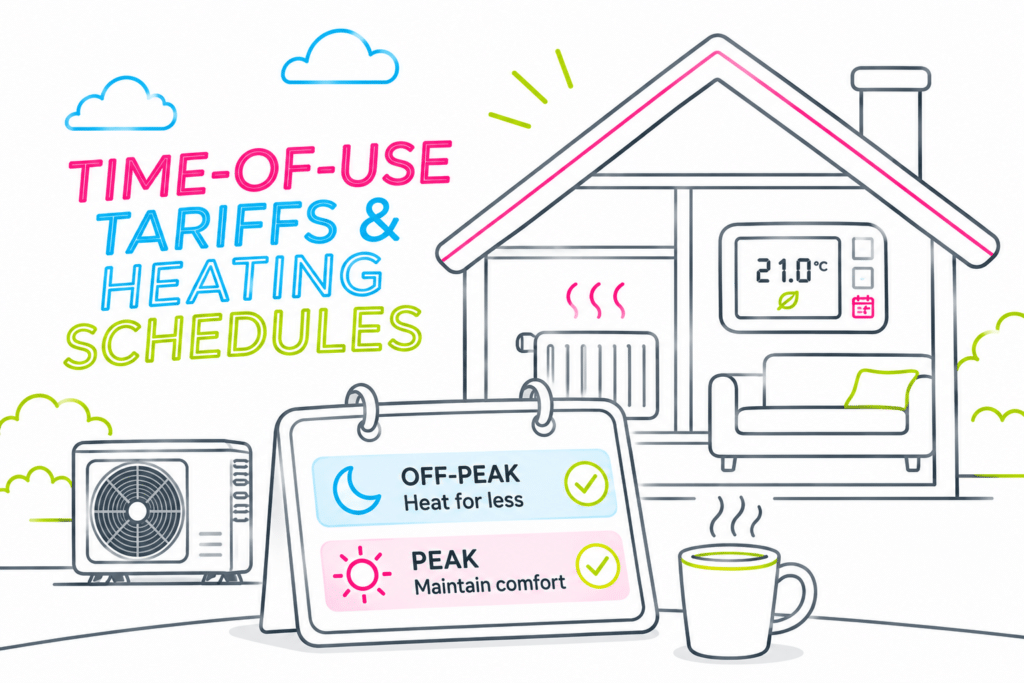
When it comes to reducing your heating bills, it’s not always about using less energy. Sometimes, it’s about being smarter with when you use it.
With time-of-use electricity tariffs becoming increasingly popular, homeowners have more opportunities to take advantage of cheaper electricity at certain times of the day.
And if you have a heat pump, you may be able to go one step further by using these cheaper periods to warm your home in advance, helping you stay comfortable while reducing the amount of expensive electricity you need later.
But how does this actually work, and could a few adjustments to your heating schedule make a difference to your bills?
What Are Time-of-Use Electricity Tariffs?
Unlike traditional electricity tariffs, where you pay the same unit rate throughout the day, time-of-use tariffs charge different rates depending on when you use electricity.
Typically, electricity is cheaper during off-peak periods, when demand on the electricity grid is lower, and more expensive during peak periods, when demand is higher.
Some tariffs have fixed off-peak windows, while others have prices that change daily or even every half-hour, reflecting wholesale electricity prices.
For example, an illustrative time-of-use tariff might look something like this:
Example electricity rates
Off-peak
8p/kWh
Cheaper electricity
Peak / daytime
25p/kWh
Higher-cost electricity
Illustrative rates only, not a current supplier quotation.
In this example, using 10 kWh of electricity during the cheaper period would cost just 80p, compared with £2.50 at the higher rate.
Of course, the actual savings depend on your tariff, how much electricity you use and whether you can shift that usage into cheaper periods.
Which Energy Providers Offer Time-of-Use Tariffs?
Several major UK energy suppliers now offer time-of-use tariffs, including options specifically designed for homes with heat pumps.
Some examples include:
Energy provider | Tariff | Cheaper electricity periods |
Octopus Energy | Cosy Octopus | 4am–7am, 1pm–4pm, 10pm–midnight |
British Gas | Heat Power | Midnight–7am, 1pm–4pm |
EDF Energy | Heat Pump Tracker | 4am–7am, 1pm–4pm |
E.ON Next | NextSmartSaver | 7pm-2am |
Examples based on published tariff information in October–November 2026. Eligibility, prices and available times can change.
You’ll notice that many of these tariffs offer cheaper electricity overnight or during the early afternoon, with higher prices often applying during the early evening when electricity demand is greatest.
Not all tariffs work in the same way, though. Some have fixed cheaper periods every day, while dynamic tariffs can change their prices based on electricity market conditions.
It’s also worth remembering that the cheapest unit rate doesn’t necessarily mean the cheapest overall tariff. You’ll need to consider your household’s electricity usage, peak rates and standing charges.
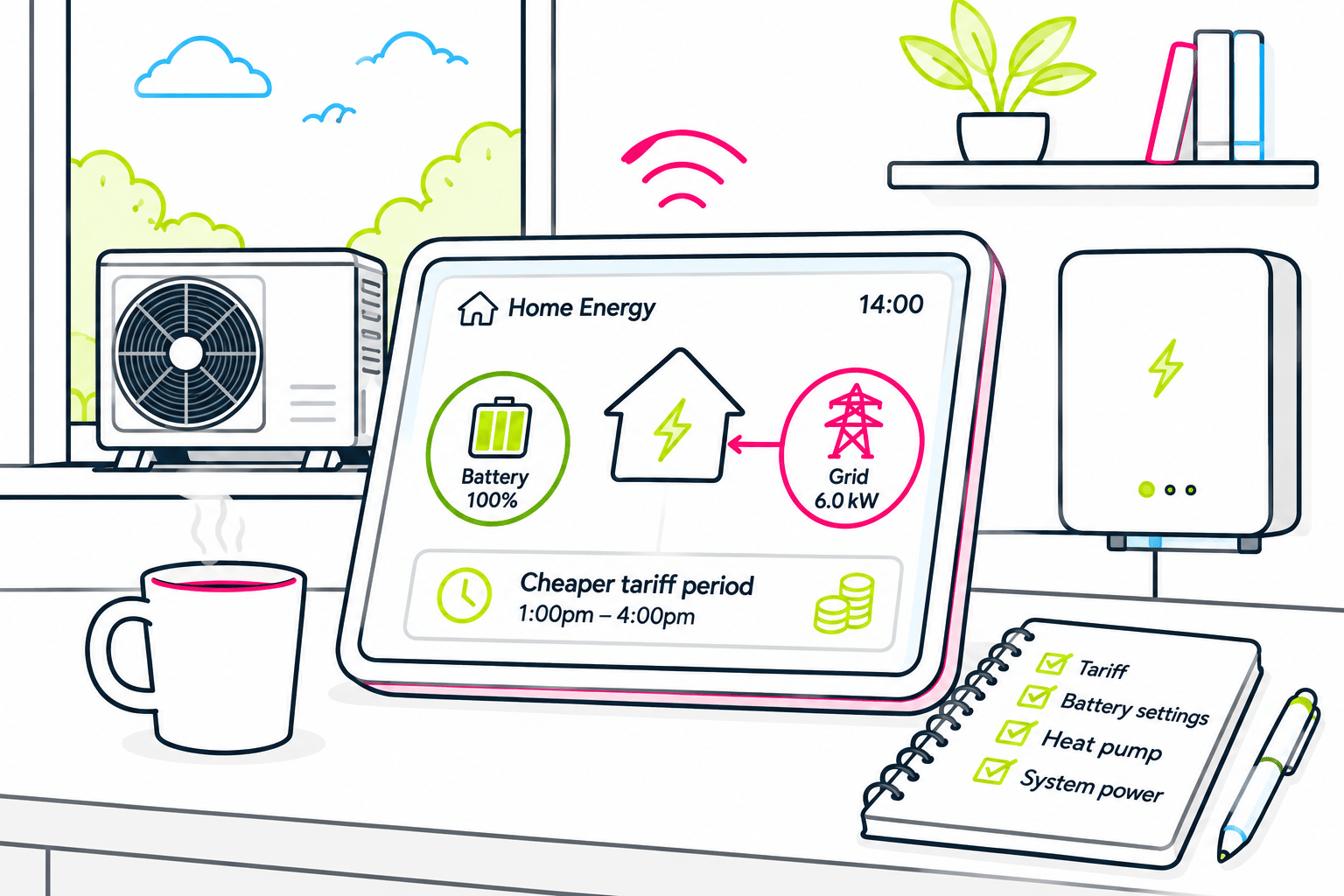
How Can You Use Cheaper Electricity to 'Charge' Your Home With Heat?
You might already be familiar with charging a home battery during cheaper electricity periods, storing that energy to use later when electricity is more expensive.
But did you know that, to some extent, your home can act like a thermal battery too?
When you turn your heating on, you’re not just warming the air inside your rooms. You’re also warming the walls, floors, furniture and other objects throughout your home.
These materials absorb and store some of that heat energy, gradually releasing it back into their surroundings as temperatures change.
This is known as thermal mass.
If your electricity is cheaper between 1pm and 4pm, for example, you could schedule your heat pump to warm your home slightly above its usual temperature during that period.
As the electricity price increases later in the afternoon, you can reduce your thermostat setting and allow the warmth you’ve already built up to help maintain a comfortable temperature.
Essentially, you’re shifting some of your heating demand into the cheaper period, rather than relying as heavily on electricity during the more expensive hours.
However, how well this works depends on your property. A well-insulated home with good thermal mass may retain that warmth for longer, whereas a poorly insulated property may lose it relatively quickly.
Why Heat Pumps Work Best With Consistent Temperatures
Traditionally, many of us have been used to switching our heating on when we’re cold and turning it off once the house feels warm enough.
However, heat pumps generally operate most efficiently when maintaining relatively consistent indoor temperatures, rather than repeatedly heating a property from cold.
This is because heat pumps are designed to deliver steady, low-temperature heat over longer periods.
For example, if you normally keep your home at 20°C, allowing it to fall to 15°C before switching the heating back on could mean the system needs to work harder to bring the temperature back up.
Instead, maintaining a temperature closer to your preferred setting, perhaps with a small reduction overnight or when you’re out, can help the heat pump operate more efficiently.
But does that mean your heat pump is constantly using electricity?
Not necessarily.
Your heating controls monitor the temperature in your home and adjust the heat being delivered to maintain your chosen setting.
Depending on the system, the heat pump may reduce its output, continue operating at a lower level or switch off temporarily when heating isn’t required.
This means you can maintain a comfortable temperature without your heat pump necessarily operating at full power all day.
There is an important balance, though. Keeping a home warmer for longer increases heat loss, so maintaining the same temperature around the clock isn’t automatically cheaper. The best approach is usually steady, efficient operation with carefully chosen temperature setbacks.
Energy Saving Trust+1
Combining a Heating Schedule With a Time-of-Use Tariff
Now, here’s where things get interesting.
By combining the steady operation of a heat pump with the cheaper periods available through a time-of-use tariff, you may be able to reduce your heating costs further.
Rather than switching your heating off completely during expensive periods, you can make small adjustments to your target temperature throughout the day.
For example, imagine your preferred indoor temperature is 20°C, and you’re on a tariff with cheaper electricity between 1pm and 4pm.
The idea is that your home has already absorbed some additional heat before the expensive period begins.
As your home gradually cools, the stored warmth helps maintain comfort, potentially reducing how much your heat pump needs to run during peak electricity hours.
This type of approach is also recommended by Octopus Energy for its Cosy tariff, which suggests slightly increasing target temperatures during cheaper periods and reducing them during peak times.
It’s worth experimenting with small adjustments rather than making dramatic changes. Increasing the target temperature too much can cause the heat pump to operate less efficiently, potentially cancelling out some of the savings from cheaper electricity.
The aim isn’t to make your home uncomfortably hot during off-peak hours. It’s to shift some of the energy you would otherwise use during expensive periods.
How Do You Set This Up?
There are two main ways to take advantage of cheaper electricity with your heat pump: manually adjusting your heating schedule or using smart controls that do the work for you.
Option 1: Manually Adjust Your Heating Schedule
Most modern heat pumps have programmable heating controls that allow you to set different target temperatures throughout the day.
Once you’ve checked the cheaper periods on your electricity tariff, you can adjust your heating schedule to make better use of them.
For example, you could increase your target temperature slightly during off-peak hours and reduce it during expensive peak periods.
Your heat pump will then follow the schedule automatically, so you won’t need to adjust your thermostat every day.
However, this works best with tariffs that have fixed cheaper periods. If your electricity prices change daily, you’ll need to keep an eye on those changes and adjust your schedule accordingly.
Option 2: Let Smart Technology Do It for You
Some heat pumps can also be connected to intelligent heating controls that automatically optimise when your heating operates based on your electricity tariff.
Systems such as Homely Smart+ and Passiv Smart Thermostat can use electricity pricing information alongside your heating requirements to help determine when it’s most cost-effective to run your heat pump.
Depending on the system, these controls can:
- Automatically increase heating during cheaper electricity periods.
- Reduce heating demand when electricity prices rise.
- Account for your home’s heating requirements and how quickly it loses warmth.
- Adapt to changing electricity prices without you having to manually update your heating schedule.
This can be particularly useful if you’re on a dynamic tariff, where prices change throughout the day.
For example, if electricity becomes unusually cheap because of high renewable energy generation, compatible smart controls may automatically take advantage of that opportunity.
However, not every heat pump is compatible with every smart control or electricity tariff, and some features require additional hardware or a subscription.
Small Changes Could Make a Big Difference
Making the most of your heat pump isn’t necessarily about turning your heating down or sacrificing comfort.
By understanding how your home retains heat, choosing a suitable electricity tariff and making small adjustments to your heating schedule, you may be able to keep your home just as comfortable while spending less.
And with intelligent heating controls becoming increasingly sophisticated, some of these adjustments can now happen automatically.
The key is understanding your heating system and making sure it’s working in the most efficient way for your home.
Need Help Getting the Most From Your Heat Pump?
At Menai Heating, we believe getting the most from your heat pump doesn’t stop once it’s installed. Understanding how your system operates, how your home uses energy and how your heating settings affect running costs can all make a difference. If you’re not already, sign up to our Menai Club newsletter to recieve regualr tips.
Explore renewables
Find out more about the renewable energy solutions we offer.
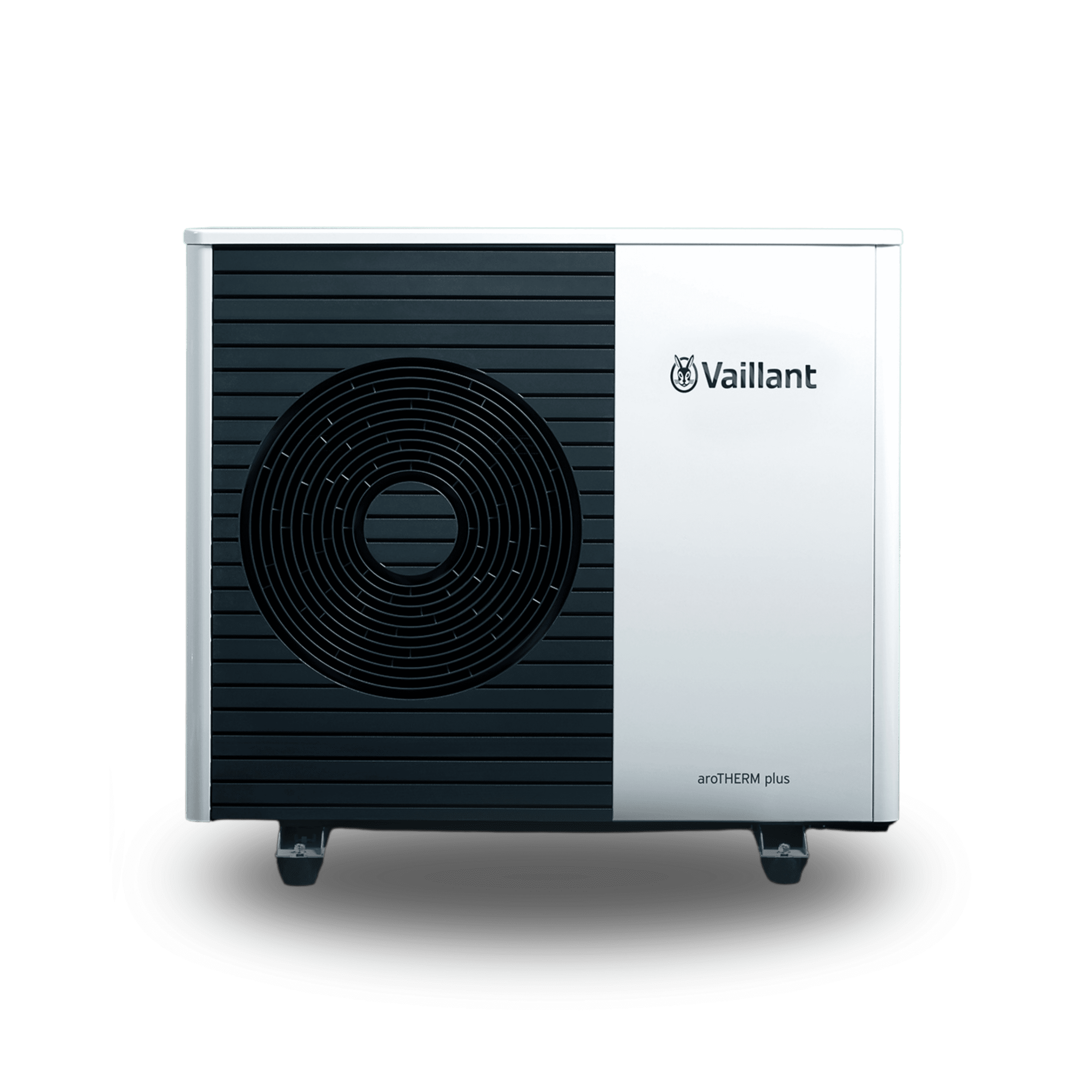
Air Source Heat Pumps
Solar Panels
Battery Storage

Electric Vehicle Chargers
Air Source Heat Pumps
Solar Panels
Battery Storage