What is the energy price cap?
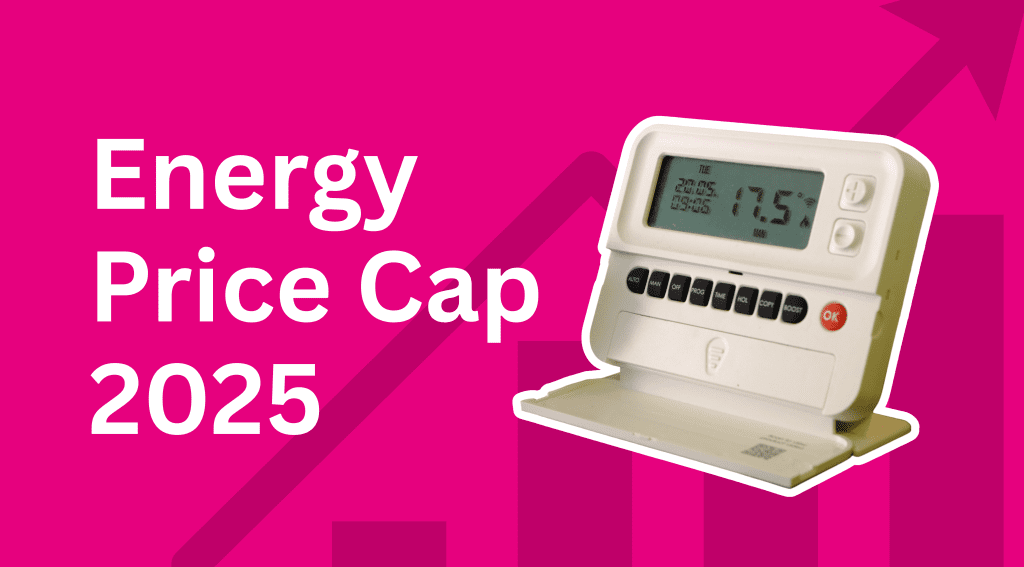
The energy price cap is the maximum amount energy suppliers can charge you for a unit of energy and standing charge if you’re on a standard variable tariff.
This means there’s no set limit on your total bill, your costs will depend on how much energy you use. Use more, and you’ll pay more; use less, and you’ll pay less.
The energy price cap was introduced in January 2019 as part of an initiative to protect consumers from excessively high energy prices. It is reviewed every three months by Ofgem to reflect changes in the energy market, including fluctuations in wholesale prices and operational costs.
The latest Ofgem press release has outlined that as of April 2025, the energy price cap will rise by 6.4%. This adjustment will impact households on standard variable tariffs, meaning they could see an increase in their energy bills over the coming months.
What are unit rates and standing charges?
The unit rate is the amount you pay for each unit of electricity or gas you use, measured in kilowatt-hours (kWh). The more energy you consume, the more you pay.
The standing charge is a fixed daily fee added to your bill, charged regardless of how much energy you use. It covers the cost of maintaining your energy supply, including network upkeep, meter readings, and government schemes.
Why is the energy price cap increasing?
According to Ofgem, the primary reason for the upcoming increase is the recent surge in wholesale energy prices, which accounts for 78% of the rise. In addition, policy costs and inflationary pressures make up the remaining 22% of the increase (Ofgem, 2025).
With global energy markets facing continued volatility, Ofgem has emphasized that the price cap remains a crucial measure to ensure fair pricing for consumers while allowing suppliers to recover necessary costs.
Does the Price Cap Affect Fixed Tariffs?
If you are on a fixed tariff, the energy price cap increase will not affect you until your contract comes to an end. Fixed tariffs lock in a set unit rate and standing charge for a specific period, typically 12 to 24 months. So your energy costs will remain unchanged during that time.
However, once your fixed-term contract expires, you may be moved onto a standard variable tariff unless you choose a new fixed deal. At that point, the new energy price cap will apply, meaning you could face higher energy costs if wholesale prices have increased.
If your fixed tariff is ending soon, it’s a good idea to review your options to avoid unexpected price hikes. Checking for alternative tariffs or making your home more energy efficient can help manage future energy costs.
How to do I know what tariff I’m on?
Most of the uk switched to fixed tariffs following… (I think this is on Ofgem website).
However, the ‘default’ tariff is usually a standard variable tariff (SVTs). You’re likely on an SVT if any of the following apply:
• You’ve never switched your energy tariff. If you’ve always stayed with the same supplier without choosing a specific deal, you’ll be on their standard tariff, which is covered by the price cap.
• Your fixed tariff has ended. If you were previously on a fixed-rate deal and didn’t choose a new one when it ended, you’ll have been automatically moved to your supplier’s standard variable tariff, which is price-capped.
• Your energy supplier went bust. If your provider ceased trading, Ofgem will have assigned you a new supplier, placing you on their standard variable tariff, which is covered by the price cap.
• You’ve recently moved home. When you move, your previous tariff usually ends. The property’s existing supplier will place you on their default tariff until you set up a new plan, meaning you’ll be on a price-capped rate unless you switch.
What This Means for Households
For many households, this increase may lead to higher energy bills, particularly for those on standard variable tariffs. Customers on fixed-rate tariffs will not be affected immediately but may face increased prices when their contracts end.
If you are concerned about rising energy costs, it may be beneficial to explore ways to improve your home’s energy efficiency. Measures such as better insulation, energy-efficient heating systems, and renewable energy options can help reduce overall energy consumption and long-term costs.
How Menai Heating Can Help
At Menai Heating, we specialize in energy-efficient home upgrades to help households lower their energy bills and reduce carbon emissions. If you receive qualifying benefits and your home has an EPC rating of E, F, or G, you may be eligible for energy-saving upgrades, including:
✅ Insulation improvements to retain heat and improve comfort.
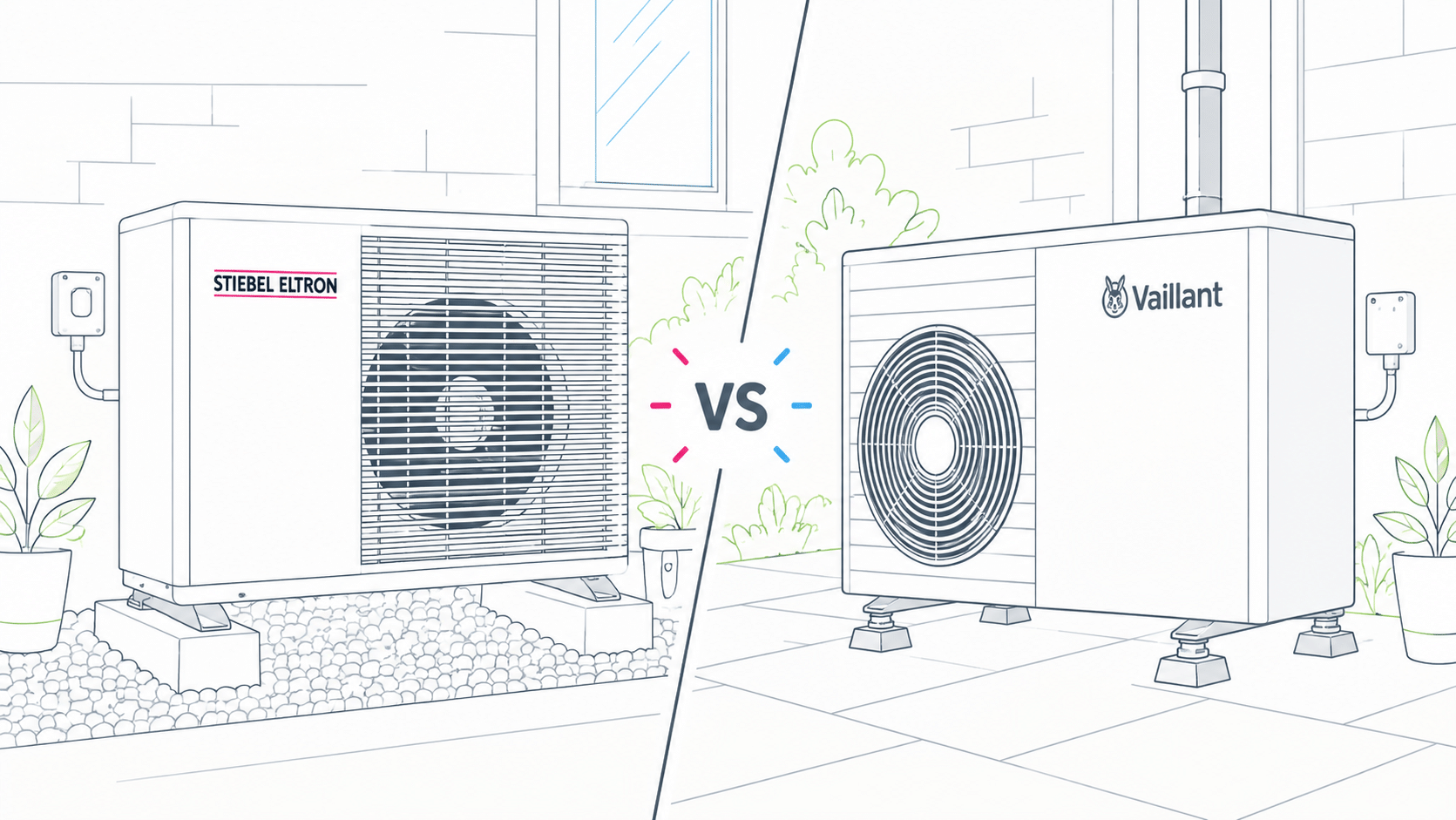
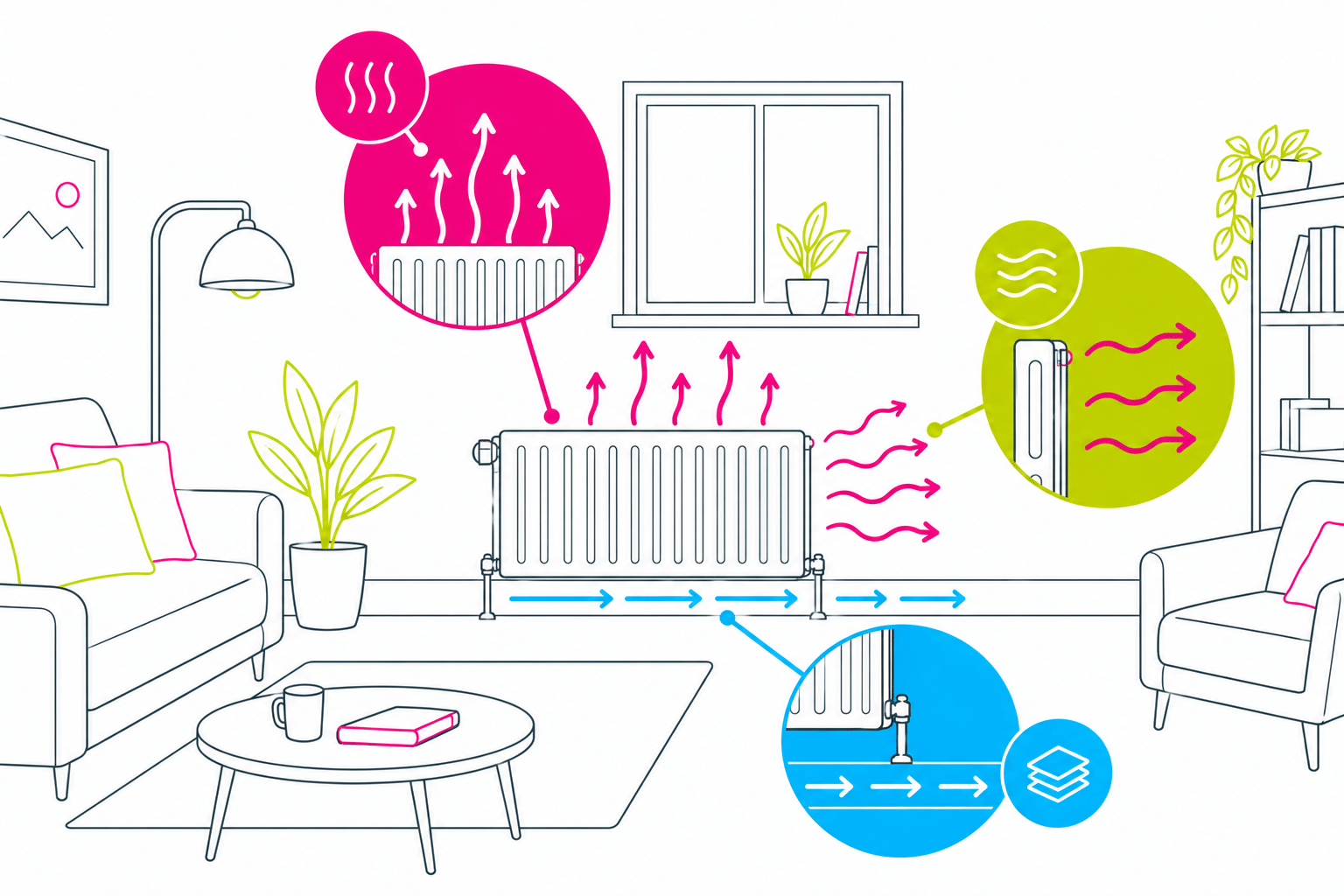
✅ Efficient heating solutions to reduce energy consumption.
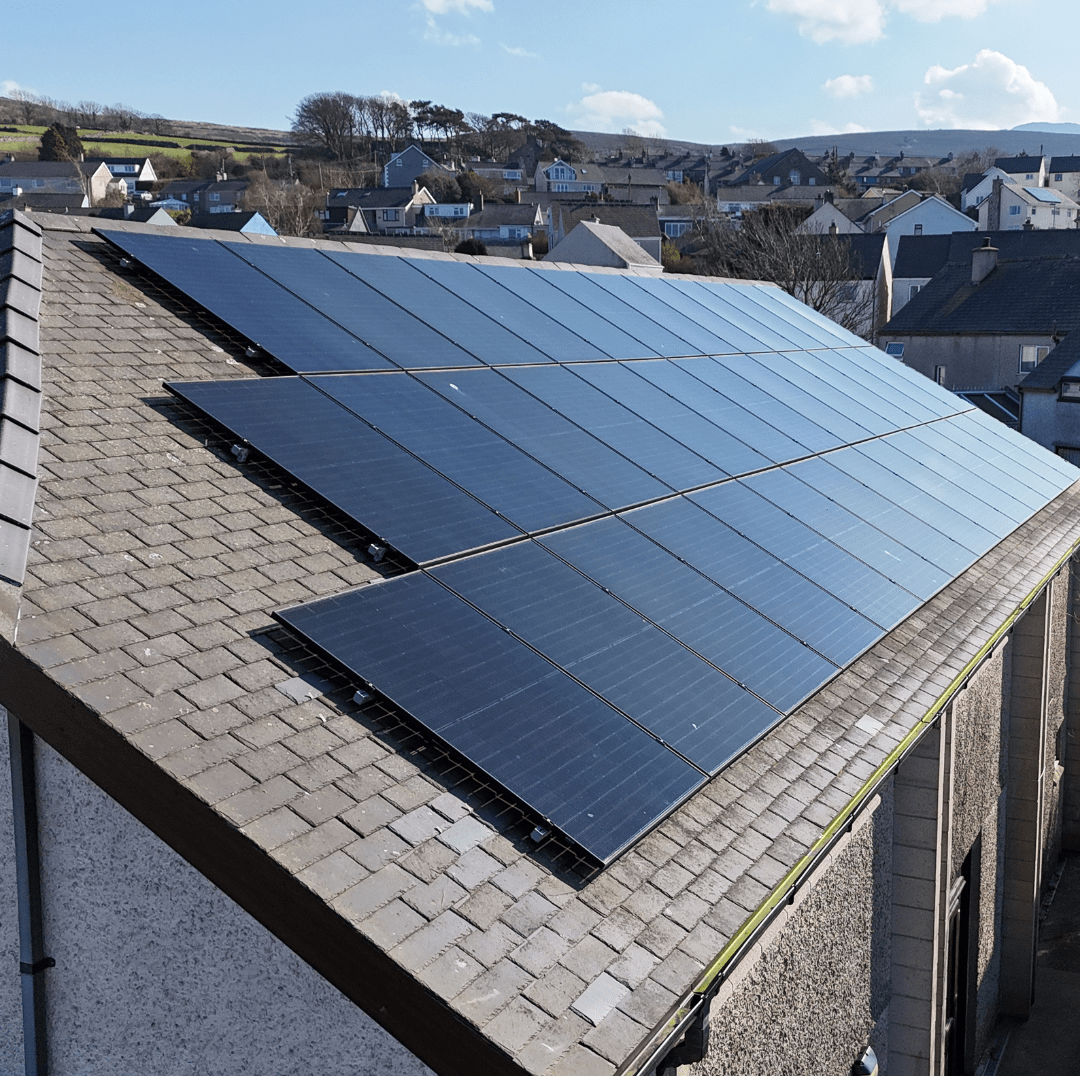
✅ Renewable energy options to generate sustainable power.
Check Your Eligibility Today
With energy prices on the rise, now is the time to explore your options for reducing energy costs. To find out if you qualify for energy-saving upgrades, contact Menai today.