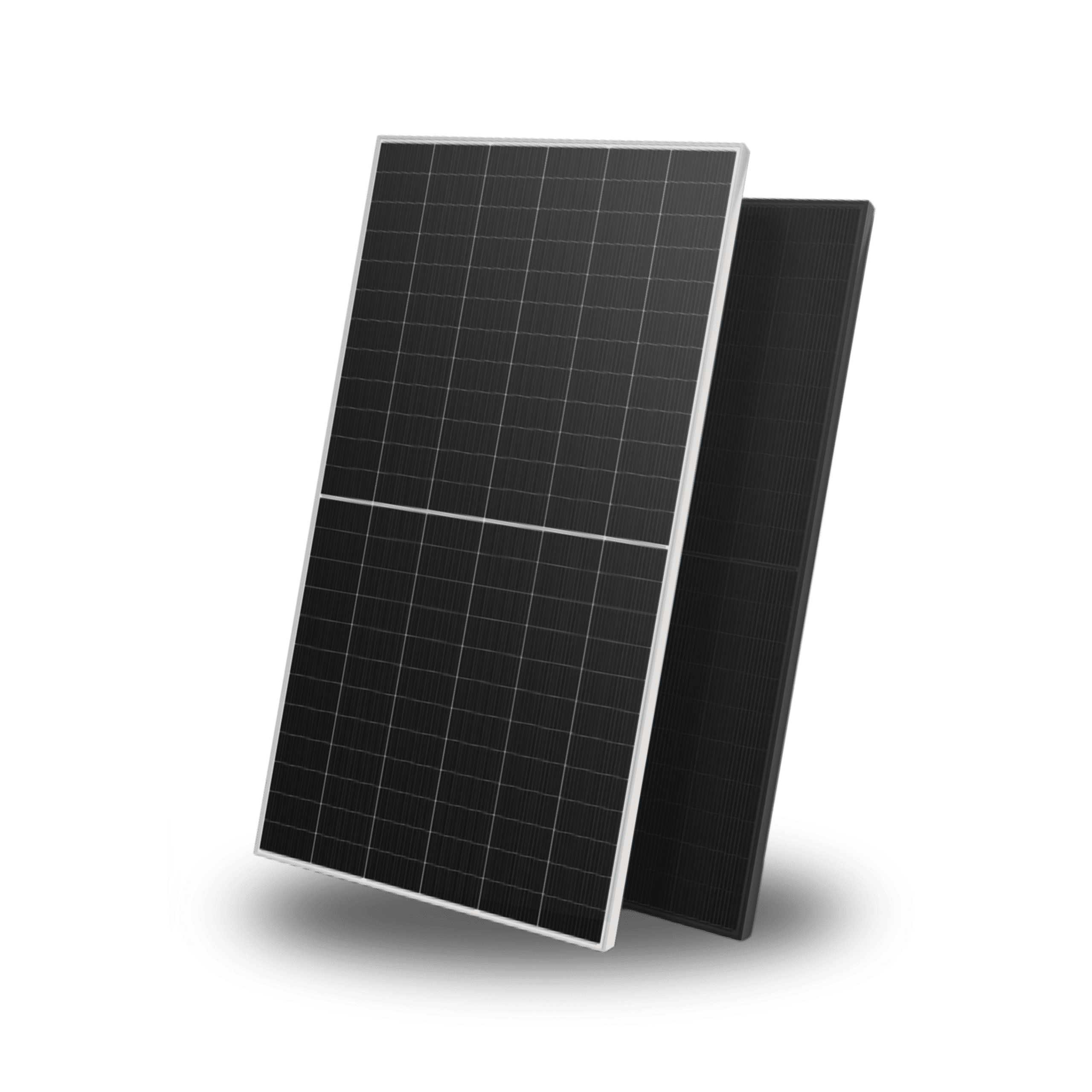


Solar panels are a great way to generate your own electricity, but there’s one obvious limitation: they only generate electricity when there’s enough daylight.
For many households, the times when we use the most electricity don’t necessarily match the times when our solar panels are generating the most. Think about a typical weekday. You might be out of the house during the brightest hours, only to return home in the evening to cook dinner, switch on the lights, watch television and use various appliances.
So, what happens to all that solar electricity generated while you’re out?
Your Solar Electricity During the Day
When your solar panels generate electricity, your home will generally use that electricity first to power whatever appliances are running.
If your panels are generating more than your home needs at that moment, the surplus electricity can either be exported to the grid or stored in a battery, if you have one installed.
For example, imagine your solar panels are generating 3 kW of electricity, but your home is only using 500 W.
That leaves 2.5 kW of surplus electricity which could be used to charge your battery, rather than being immediately exported.
Without battery storage, you may receive payment for exporting that surplus electricity through a scheme such as the Smart Export Guarantee (SEG). However, you could then find yourself buying electricity back from the grid later that evening, potentially at a higher price than you received for exporting it.
Battery storage gives you greater control over when you use the electricity your solar panels generate.
How Does a Solar Battery Actually Work?
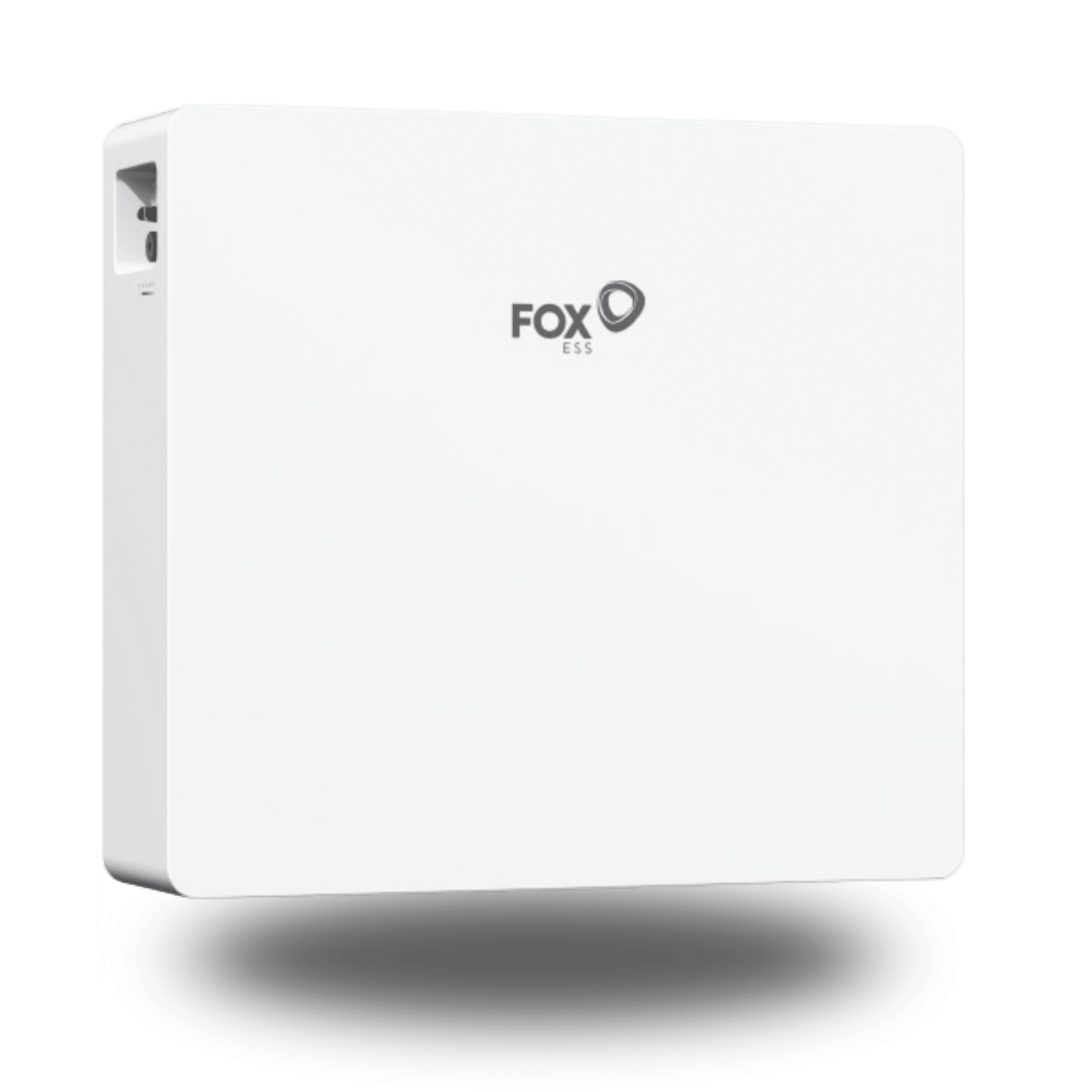
A home battery works alongside your solar panels and inverter to manage the electricity your home generates, stores and consumes.
The process is relatively straightforward:
During daylight hours: Your solar panels generate electricity, which is used to power your home.
When there’s surplus electricity: Any excess generation can be directed into your battery, up to its charging limits and available capacity.
As the sun goes down: Solar generation decreases, and your battery can begin supplying stored electricity to your home.
When the battery runs low: Your home automatically draws any additional electricity it needs from the grid.
All of this can happen automatically, without you needing to manually switch between solar, battery and grid electricity.
Many modern battery systems also include monitoring apps, allowing you to see how much electricity you’re generating, storing and using throughout the day.
What About the Shorter Days in Winter?
It’s no secret that solar panels generate less electricity during winter. Shorter daylight hours, lower sun angles and more frequent cloud cover all contribute to reduced generation.
However, less generation doesn’t mean no generation.
Solar panels can still produce electricity on cloudy days, although the amount will vary considerably depending on weather conditions, roof orientation and the size of your system.
A battery can store any surplus solar electricity available, even during the colder months. However, on particularly dull winter days, there may not be enough surplus generation to charge the battery fully.
This is where another feature of modern battery storage becomes particularly useful.
Your Battery Doesn't Have to Rely on Sunshine
One of the lesser-known benefits of home battery storage is that it doesn’t necessarily need solar panels to charge.
Many battery systems can also be charged directly from the electricity grid.
If you’re on a time-of-use electricity tariff, you may be able to take advantage of cheaper off-peak rates, typically available overnight.
For example, consider the following illustrative electricity prices:
Illustrative evening electricity costs
Without battery
£1.25
5 kWh purchased at 25p
With stored solar
£0.00
No grid import for those 5 kWh
However, there’s an important consideration: if you would otherwise have exported that solar electricity, you’ve given up the export payment. At an illustrative export rate of 13.5p/kWh, the net benefit of using 5 kWh of stored solar electricity would be approximately 57.5p before accounting for battery losses.
This approach can be particularly beneficial during winter, when solar generation is lower but household electricity consumption is often higher.
Some systems can even be programmed to prioritise charging at certain times, helping you make the most of your electricity tariff.
However, it’s important to consider the cost of the battery, its efficiency and the difference between peak and off-peak electricity rates, as the potential savings may not always justify the initial investment.
Is Battery Storage Right for Every Home?
Not every household will benefit from the same battery system, and bigger isn’t always better.
For example, a household that uses very little electricity in the evening might not need the same battery capacity as a family with higher evening consumption, an electric vehicle or an electrically heated home.
Before choosing a battery, it’s worth considering:
Your daily electricity consumption: How much electricity does your household typically use?
When you use electricity: Do you use most of your electricity during the day or in the evening?
Your existing solar generation: How much surplus electricity do your panels regularly export?
Your electricity tariff: Could you benefit from charging your battery during cheaper off-peak periods?
Your future requirements: Are you considering an electric vehicle, heat pump or other changes that could increase electricity demand?
The aim isn’t necessarily to install the largest battery possible. It’s to find a system that suits your household’s electricity usage and helps you get the most value from the energy available.
Could Battery Storage Be Right for Your Home?
Whether you’re looking to make better use of your solar electricity, reduce your reliance on the grid or take advantage of cheaper off-peak tariffs, the right battery system depends on your household’s energy needs.
At Menai Heating, we can help you explore your options and find a battery storage solution suited to your home, electricity usage and budget.
Explore renewables
Find out more about the renewable energy solutions we offer.