The Autumn Budget, announced on 28 October 2026, included several changes that could affect how much households pay for their energy over the coming year.
From extending the 0% VAT rate on electricity to plans to remove gas standing charges, the government has outlined measures intended to ease pressure on household energy bills.
But what do these announcements actually mean for your electricity and gas costs?
0% VAT on electricity extended until July 2027
Some welcome news for households: the government has announced that the temporary removal of VAT from domestic electricity bills will be extended for another three months, until 30 June 2027.
Originally introduced in October 2026, the reduction from 5% to 0% VAT was designed to help households manage rising electricity costs.
The extension is expected to reduce the annualised Ofgem energy price cap by approximately £50 in April 2027, compared with what it would have been if the 5% VAT rate returned.
Although this doesn’t guarantee that electricity prices will fall, it means households will continue to benefit from the reduced tax rate for longer.
Gas standing charges could disappear from 2027
The government has also announced plans to remove standing charges from domestic gas bills, potentially by the end of 2027.
Currently, households pay a daily standing charge for gas, regardless of how much they use. Under the proposed changes, these fixed charges would be removed, with the costs instead incorporated into the price paid per unit of gas.
This means households using less gas could benefit from lower overall bills, while those with higher gas consumption could end up paying more.
Importantly, these changes have not yet been implemented, and the final details are still to be determined by Ofgem.
What does this mean for households considering a heat pump?
With the temporary 0% VAT rate on electricity extended and changes to gas pricing on the horizon, it’s worth understanding how different heating systems could affect your household energy costs.
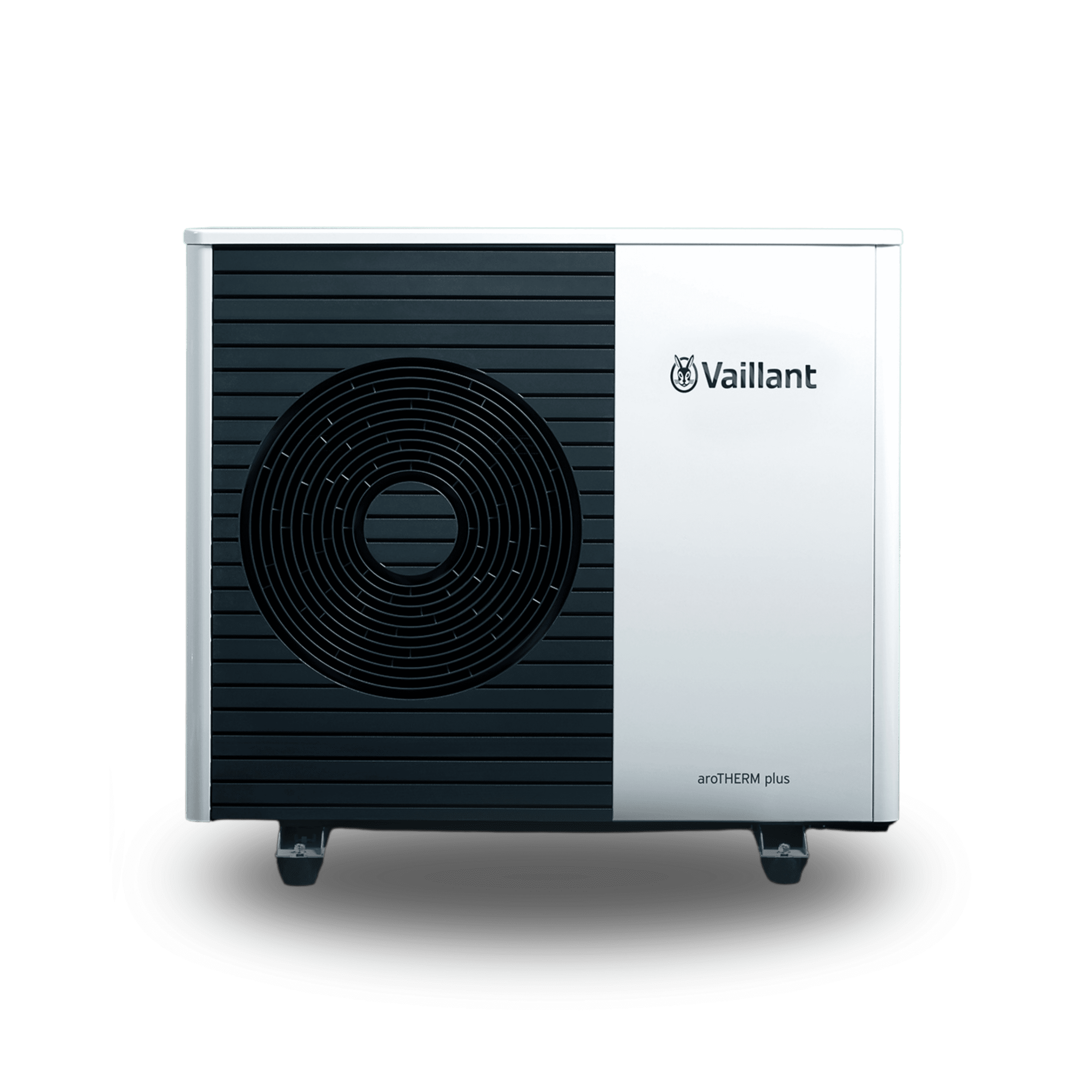
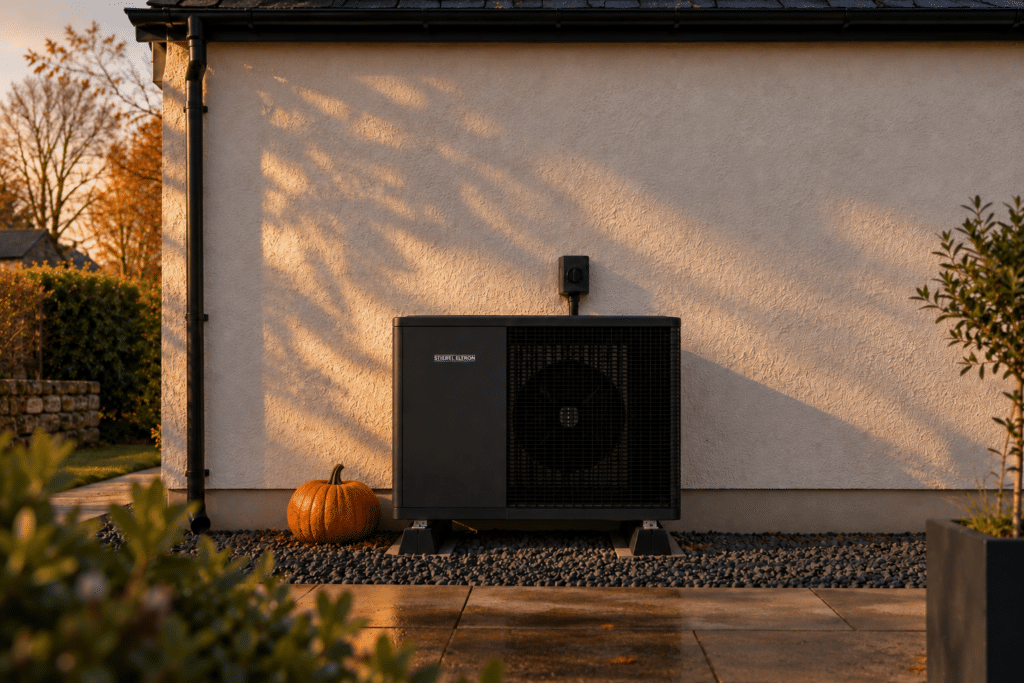
Heat pumps use electricity rather than burning gas or oil to heat your home. Unlike traditional electric heating, they transfer heat from outside into your property, typically delivering several units of heat for every unit of electricity consumed.
The extension of electricity VAT relief helps keep electricity costs lower than they would otherwise be, potentially improving the running-cost comparison between heat pumps and traditional heating systems.
However, the most economical heating option will still depend on factors including your home’s insulation, energy tariff, heating requirements and system efficiency.
Thinking About Switching to a Heat Pump?
Through the government’s Boiler Upgrade Scheme (BUS), eligible households can receive £7,500 towards the cost of installing an air source heat pump, increasing to £9,000 for qualifying homes currently heated by oil or LPG.
At Menai Heating, we can help you understand your options, check your eligibility and design a heating system suited to your home.
Explore renewables
Find out more about the renewable energy solutions we offer.