
When thinking about installing solar panels, most homeowners naturally picture long, sunny summer days. With shorter daylight hours, cloudier skies and colder weather, winter might not seem like the ideal time to make the investment.
However, while solar panels generate more electricity during the brighter months, that doesn’t mean winter is a bad time to have them installed. In fact, getting your system up and running during winter can put you in a great position to benefit from increased generation as we move into spring and summer.
So, is it worth installing solar panels in winter? Let’s take a closer look at how solar works throughout the year and why waiting for warmer weather isn’t always necessary.
How Do Solar Panels Work?
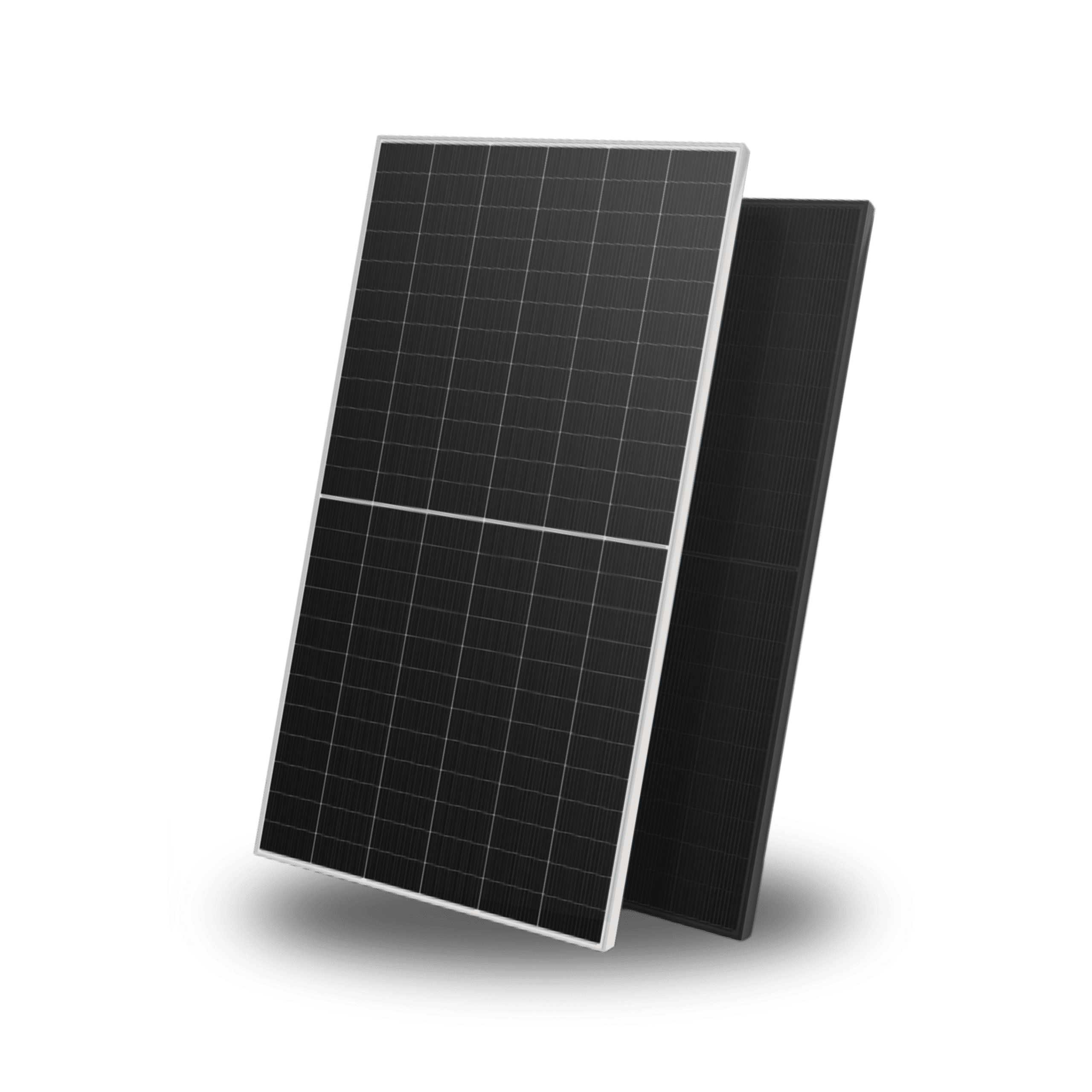
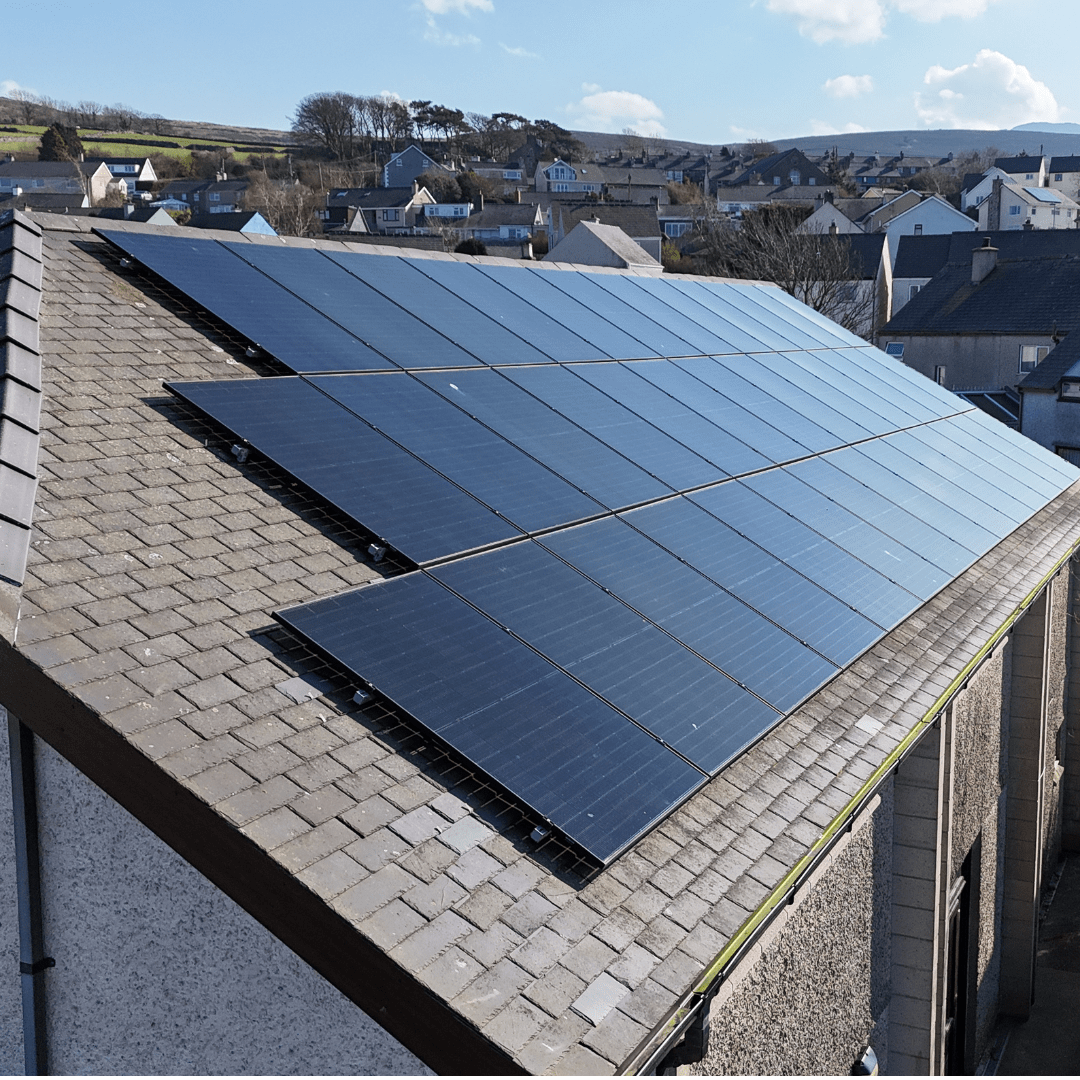
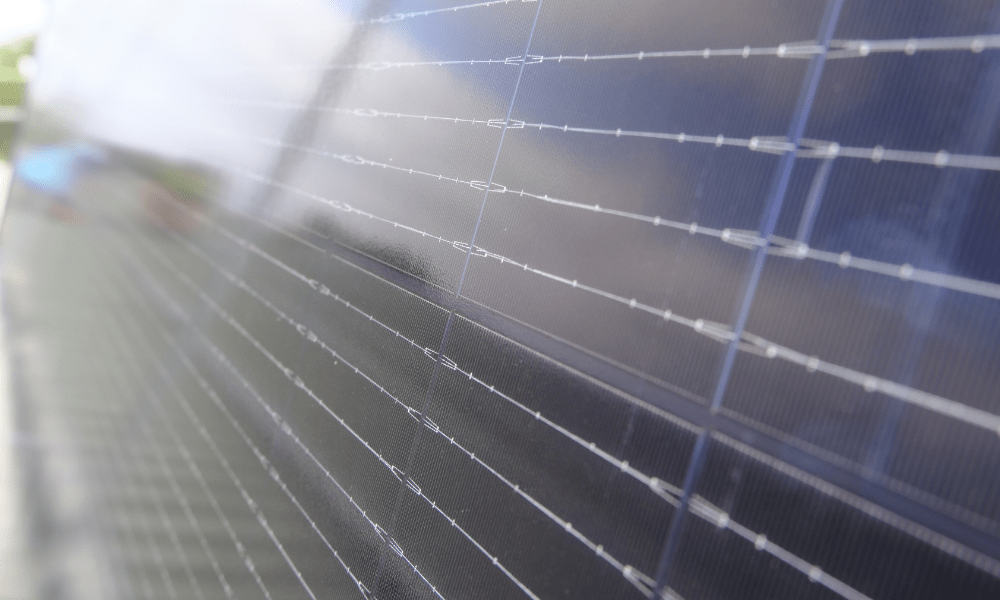
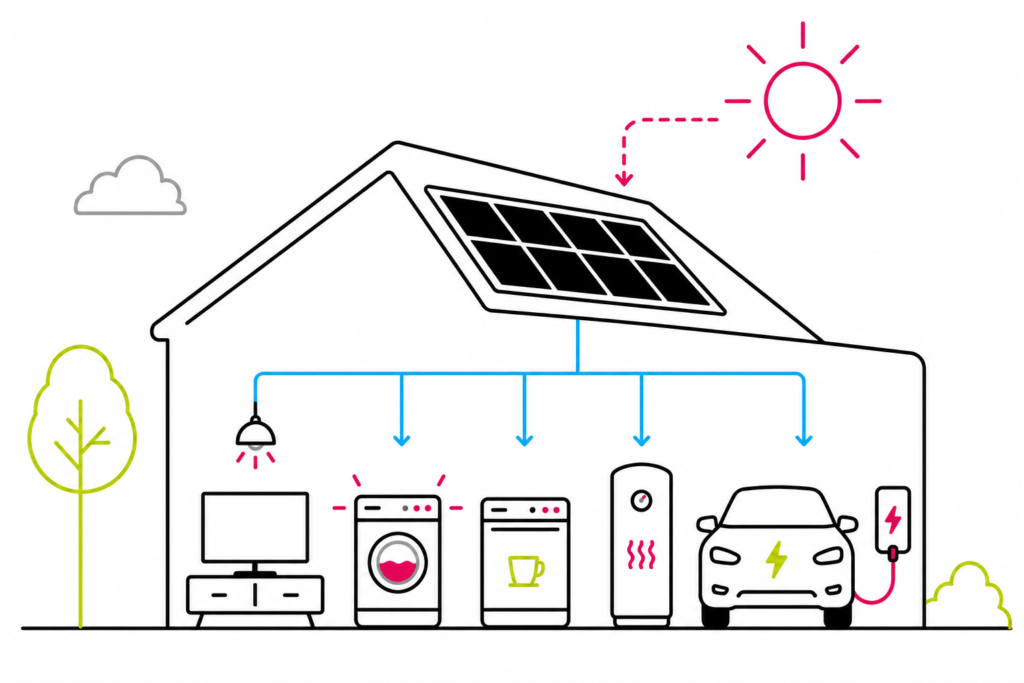
Solar photovoltaic (PV) panels convert sunlight into electricity that can be used to power your home. When daylight reaches the solar cells within each panel, it generates direct current (DC) electricity, which is then converted into alternating current (AC) electricity by an inverter, making it suitable for household use.
The electricity generated can be used immediately to power appliances and other electrical systems around your home. If you have battery storage, any surplus electricity can be stored for use later in the day. Alternatively, excess electricity can be exported to the National Grid, potentially earning you money through an export tariff.
The amount of electricity your panels generate depends on several factors, including daylight hours, cloud cover, roof orientation and shading. This means your system’s output will naturally vary throughout the year, with higher generation during the longer, brighter days of spring and summer.
Do Solar Panels Still Work in Winter?
Absolutely! Solar panels continue to generate electricity throughout winter, even when the skies are overcast.
However, generation is typically lower during these months. Shorter days mean fewer hours of available sunlight, while the sun’s lower position in the sky reduces the amount of solar energy reaching your panels. Increased cloud cover can also affect generation.
Interestingly, cooler temperatures can actually benefit solar panel efficiency. Solar panels generally perform more efficiently at lower temperatures than in excessive heat, although this doesn’t compensate for the reduced daylight available during winter.
So, how much electricity can you actually expect to generate?
Solar generation varies considerably throughout the year, particularly here in North Wales. Typically, a solar PV system will generate the majority of its annual electricity between March and September, with the highest monthly output often occurring during late spring and summer.
To put this into perspective, we’ve taken a look at the generation data from one of our own solar installations in North Wales.
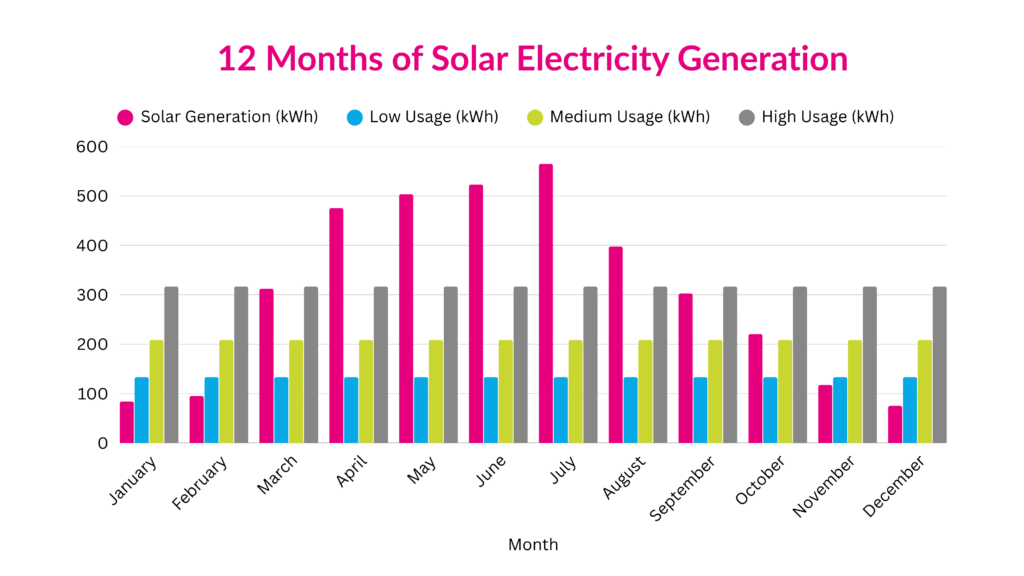
| Month | Solar Generation (kWh) | Low Usage (kWh) | Medium Usage (kWh) | High Usage (kWh) |
|---|---|---|---|---|
| January | 84.00 | 133.33 | 208.33 | 316.67 |
| February | 95.10 | 133.33 | 208.33 | 316.67 |
| March | 312.20 | 133.33 | 208.33 | 316.67 |
| April | 475.30 | 133.33 | 208.33 | 316.67 |
| May | 503.50 | 133.33 | 208.33 | 316.67 |
| June | 523.10 | 133.33 | 208.33 | 316.67 |
| July | 564.90 | 133.33 | 208.33 | 316.67 |
| August | 397.60 | 133.33 | 208.33 | 316.67 |
| September | 302.70 | 133.33 | 208.33 | 316.67 |
| October | 220.53 | 133.33 | 208.33 | 316.67 |
| November | 117.40 | 133.33 | 208.33 | 316.67 |
| December | 75.20 | 133.33 | 208.33 | 316.67 |
| Annual Total | 3,671.53 | 1,600 | 2,500 | 3,800 |
*The solar generation data shown is from a 3.6 kWp solar PV system installed by Menai Heating in North Wales, on a south-east-facing roof with no shading and no battery storage. The generation figures combine are over the 2025 period. Actual solar generation will vary depending on location, roof orientation, shading, weather conditions and system size.
Household electricity consumption figures are based on Ofgem's May 2026 Review of Typical Domestic Consumption Values , effective from 1 July 2026. These classify annual electricity consumption as low (1,600 kWh), medium (2,500 kWh) and high (3,800 kWh). Monthly figures have been calculated by dividing annual consumption by 12 and are provided for illustrative purposes only. Actual household electricity consumption will vary throughout the year. Solar generation exceeding consumption over a month or year does not necessarily mean all household electricity requirements can be met directly by solar.
Why Winter Can Be a Good Time to Install Solar Panels
Although winter isn’t the strongest season for solar generation, there are several reasons why it can still be a sensible time to arrange your installation.
1. Be ready for spring and summer
By installing during winter, your system will already be up and running when daylight hours begin to increase. Rather than waiting until the sunnier months to start arranging surveys and installation, you’ll be ready to benefit from the higher generation that comes with spring and summer.
2. Start reducing your electricity bills sooner
Even with lower winter generation, every unit of solar electricity used in your home is one less unit you need to purchase from your energy supplier. Installing sooner allows you to begin benefiting from your system rather than waiting several months.
3. Think about long-term savings
Solar panels are designed to operate for decades, so the time of year they’re installed has relatively little impact on their overall lifetime performance. What matters more is choosing a suitable system for your property and making the most of the electricity it generates.
Are There Any Disadvantages to Installing Solar Panels in Winter?
As with any home improvement, there are a few practical considerations to keep in mind.
1. Planning Around the Weather
Winter weather can occasionally affect installation schedules. Heavy rain, strong winds, frost or icy roof conditions may mean installation work needs to be postponed until it’s safe to proceed.
2. Your Savings Are Just Getting Started
Your electricity savings may initially appear lower when installing during winter compared with summer, simply because your panels are generating less electricity at this time of year. However, this is entirely normal, and your system’s expected annual generation and long-term savings potential remain the same regardless of when it’s installed.
3. Understanding Winter Generation
It’s also important to have realistic expectations about how much electricity your system will produce during winter. While solar panels can contribute towards your home’s energy requirements, they’re unlikely to cover all your electricity consumption during the darkest months, particularly if your home uses electric heating.
This is why it’s important to look at your home’s energy needs throughout the entire year, rather than focusing on winter alone. A properly designed solar PV system will take your property’s suitability, electricity consumption and expected annual generation into account, helping you make the most of your investment.
So, When Is the Best Time to Install Solar Panels?
Ultimately, there isn’t one perfect time of year to install solar panels.
Installing during summer means you’ll benefit from higher generation immediately, while installing during autumn or winter means your system can be ready to make the most of the following spring and summer.
Rather than waiting for a particular season, the most important thing is ensuring your solar PV system is appropriately designed for your home, your energy needs and your budget.
The sooner your system is installed and generating electricity, the sooner it can begin contributing towards your long-term energy savings.
Ready to Make the Most of Solar Energy?
Solar panels are a year-round investment, and although electricity generation varies with the seasons, winter can still be an excellent time to get started.
At Menai Heating, we help homeowners across North Wales find solar and battery storage solutions suited to their properties and energy requirements. From initial advice and system design through to installation and ongoing support, our team is here to help you make an informed decision.
Whether you’re considering solar panels on their own or combining them with battery storage, we can help you explore the options available.
Don’t wait for summer to start planning your solar installation.
Explore renewables
Find out more about the renewable energy solutions we offer.