
You’ve probably seen plenty of sweeping statements claiming that heat pumps are cheaper to run than traditional boilers, but rarely an explanation of why.
The reality is that heating costs aren’t as simple as comparing the price of electricity with gas, oil or LPG. How efficiently that energy is turned into heat, what influences the price you pay for it, and how your heating system actually performs all make a difference.
So, rather than simply telling you that a heat pump can be cheaper to run, we’re going to break down why that can be the case, and the factors that ultimately determine what it costs to heat your home.
Heat pumps use energy differently
A key factor in how much your heating system costs to run is efficiency.
It’s probably not something you’ve thought much about with your current heating system, but efficiency determines how much of the energy you pay for actually ends up heating your home.
For example, a typical modern boiler is around 90% efficient. That means for every £1 worth of energy you put in, around 90p is converted into useful heat, while the remaining 10p is lost through the heating process.
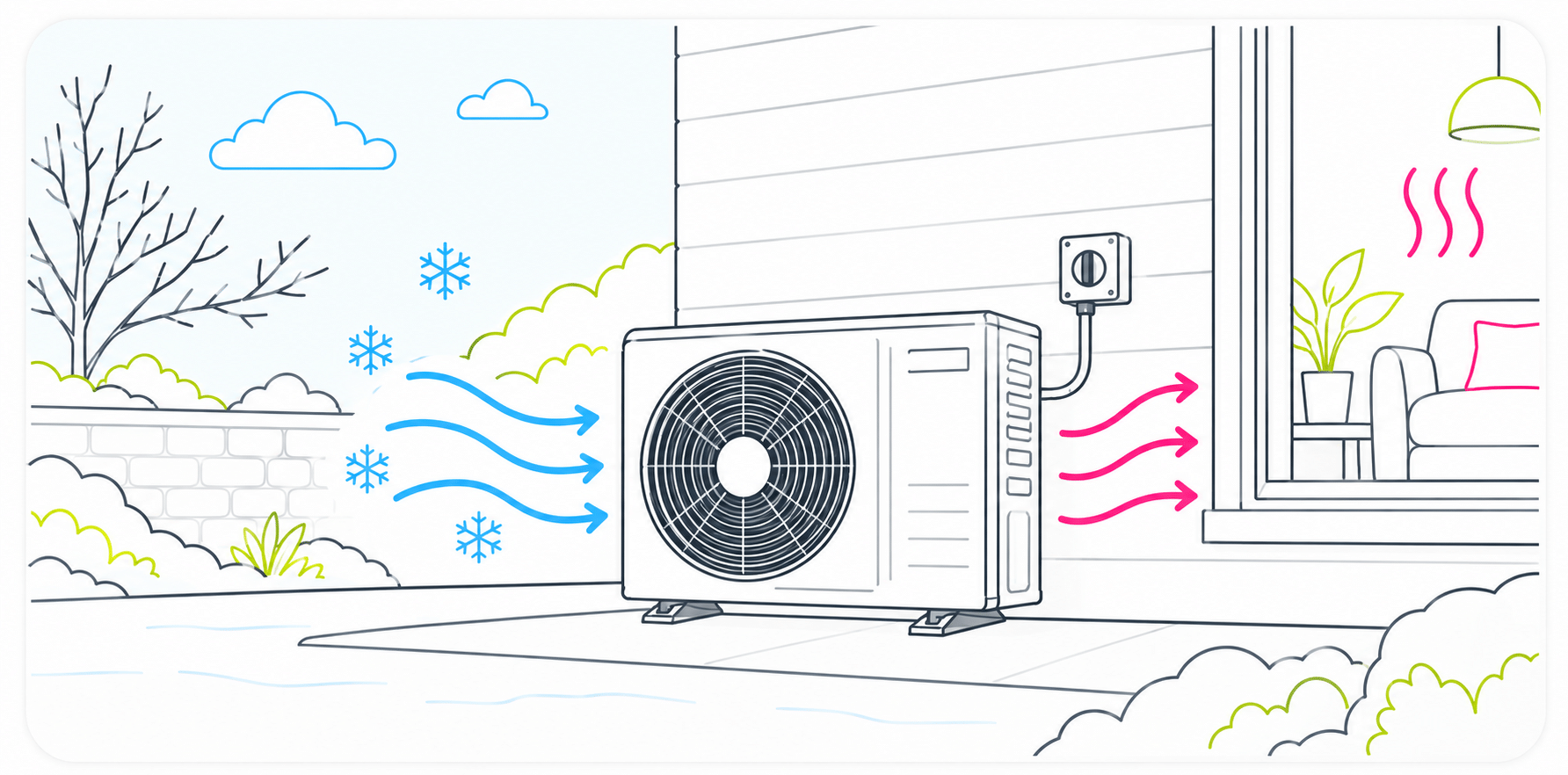
A heat pump works very differently. Rather than burning fuel to create heat, it takes heat that already exists in the outside air and transfers it into your home. Because of this, a well-performing heat pump can achieve efficiencies of around 300–400%.
In simple terms, for every £1 of electricity used, you could get the equivalent of around £3–£4 worth of heat.
This is why comparing the unit price of electricity directly with the unit price of gas, oil or LPG doesn’t give you the full picture. Electricity may have a higher price per unit, but a heat pump can use that energy much more efficiently.
What really matters is the cost of the usable heat delivered into your home.
Energy prices aren't all affected in the same way
Efficiency is only one part of the running-cost equation. Evidently, it is also affected by how much you pay for the energy in the first place.
Gas, oil, LPG and electricity are all priced differently, and the factors affecting those prices aren’t necessarily the same. Let’s take a look at what affects the different fuel prices:
Oil and LPG
If you heat your home with oil or LPG, the price you pay is much more directly connected to the market for that particular fuel.
Oil prices are set on global markets, which means events happening thousands of miles away can affect what households in the UK ultimately pay. Changes in global supply and demand, conflicts or political instability in oil-producing regions, decisions by major oil-producing countries and disruption to international supply routes can all influence wholesale oil prices.
The exchange rate matters too. Because crude oil is generally traded internationally in US dollars, changes in the value of the pound can affect the cost of bringing oil into the UK, even if the underlying dollar price of oil hasn’t changed significantly.
LPG is also exposed to international energy markets. Its price can be influenced by the wholesale cost of propane, global oil and gas markets, supply and demand, transportation and distribution costs, and exchange rates. For households relying on LPG, changes in these factors can therefore feed through into the price paid for heating.
Mains gas
Mains gas works differently again. UK households are supplied through the gas network rather than purchasing individual deliveries of fuel, but the price is still heavily influenced by wholesale gas markets.
The UK also relies substantially on imported gas. In 2025, Norway alone supplied around 47% of the gas used in the UK, while the US supplied around 15%, with domestic production and imports from a number of other countries making up the remainder. This means international supply, demand and geopolitical events can still influence the wholesale price of gas paid in Britain.
Electricity
It’s important to point out that electricity prices can be volatile too. Although we’re generating more of our electricity from renewable sources, gas is still used to generate a proportion of Britain’s electricity. This means changes in wholesale gas prices can have a knock-on effect on electricity prices too.
However, electricity has one important difference: it isn’t generated from one single fuel.
Britain’s electricity comes from a diverse mix of sources, including wind, solar, nuclear, gas, biomass, hydro and electricity imported through interconnectors. Renewables now account for a significant proportion of the electricity generated in Britain, and that proportion has grown considerably as more renewable generation has been connected to the grid.
This means that while electricity prices are certainly not immune to global energy markets, the electricity system itself is becoming increasingly diverse and less reliant on fossil fuels alone.
For households on standard variable tariffs, electricity prices also have some protection from sudden changes in the wholesale market. Ofgem’s energy price cap limits the maximum unit rate and standing charge suppliers can charge and is updated every three months. Energy suppliers also buy electricity in advance, meaning sudden changes in wholesale prices don’t necessarily feed through to household bills immediately.
Ultimately, no form of energy is completely protected from price changes. The difference with electricity is that we’re increasingly able to generate it from a wider range of sources, including domestic renewable energy, rather than relying entirely on one particular fossil fuel.
The tariff you choose can make a difference
There are now electricity tariffs designed specifically with heat-pump owners in mind, as well as time-of-use tariffs that offer cheaper electricity during certain periods of the day.
This creates opportunities that you don’t necessarily have with oil or LPG. Instead of simply paying the going rate whenever you need another delivery of fuel, you may be able to choose a tariff that better suits the way your home and heating system use energy.
Combine the right tariff with a well-designed, efficient heat pump and you can bring the cost of each unit of useful heat down even further.
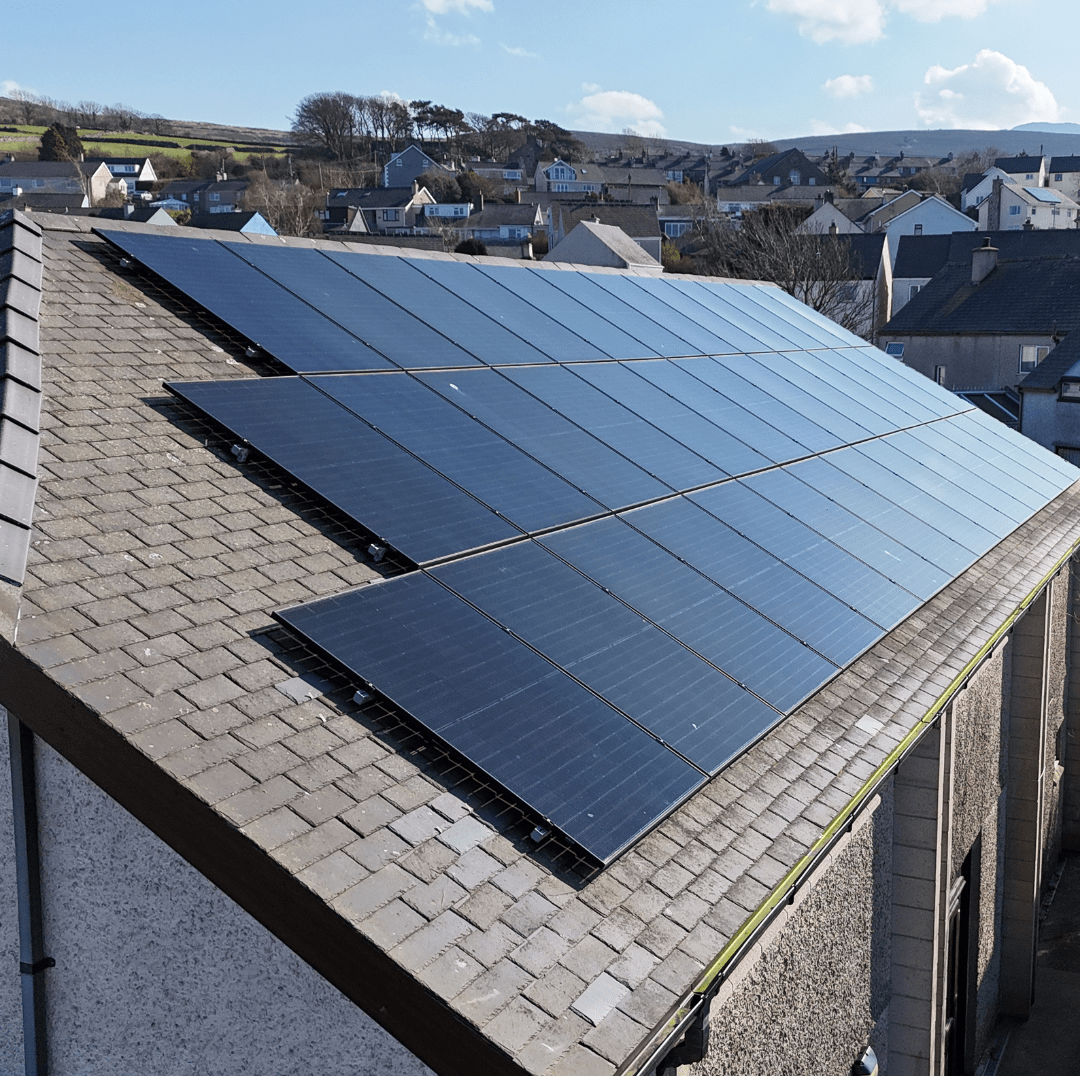
And if you also have solar panels, some of the electricity your home and heat pump use can be generated on your own roof, further reducing the amount of electricity you need to buy from the grid.
Interested in solar?
Thinking about generating more of your own electricity? Discover how solar could reduce the amount of energy you need to buy from the grid, or get an instant quote for your home today.
Performance matters
When we say that a heat pump can operate at around 300–400% efficiency, and that this high efficiency can make it cheaper to run, it’s important to note that not all heat pumps will perform at the same level.
The actual efficiency of a heat pump can vary significantly depending on how the system has been designed, installed, set up and looked after.
For example, the heat pump needs to be correctly sized for the property, based on an accurate calculation of how much heat the home loses. Radiators or underfloor heating also need to be capable of delivering enough heat at lower flow temperatures, as heat pumps generally become more efficient when they don’t have to produce excessively hot water.
The system settings matter too. Things like flow temperature, heating controls and how the system is operated can all influence how much electricity is required to keep your home at a comfortable temperature.
And it doesn’t necessarily stop once the installation is complete. Monitoring, optimisation, servicing and aftercare can help make sure the system continues to perform as efficiently as possible over time.
Ultimately, the more efficiently your heat pump operates, the less electricity it needs to produce the heat your home requires — and the less it can cost to run.
So, are heat pumps cheaper to run?
There isn’t one simple answer when it comes to heating costs. The price you pay for energy is only part of the picture.
A heat pump’s high efficiency means it can produce significantly more usable heat from the energy you buy. Combine that with the right electricity tariff, an increasingly diverse electricity supply and, most importantly, a system that has been properly designed and optimised, and a heat pump can be a very cost-effective way to heat your home.
But performance matters. A heat pump that isn’t designed or set up correctly won’t necessarily deliver the efficiencies — or the running costs — you might expect.
So, rather than simply asking “Is electricity cheaper than gas, oil or LPG?”, the better question is: “How much does it actually cost to produce the heat my home needs?”